
Four years ago I began fire mimicry treatments on several coast live oaks, some of them centuries old. A few days ago I checked on their responses. Enjoy!
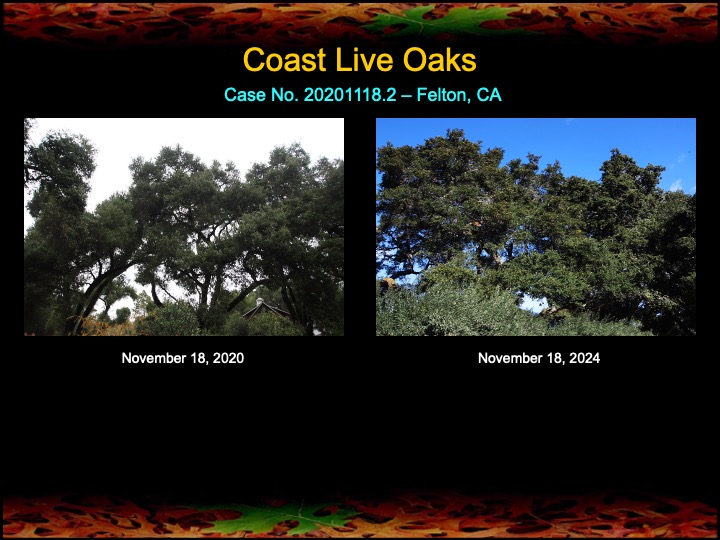

Four years ago I began fire mimicry treatments on several coast live oaks, some of them centuries old. A few days ago I checked on their responses. Enjoy!
For thousands of years the Native Peoples living here along the central coast of California, the Esselen and the Rumsen (Figure 1), tended the lands with cultural fire and other management practices, creating mosaics of oak forests, redwood forests, savannas, chaparral, and scores of other land and marine ecosystems, which together helped sustain the People, the plants, and the wildlife. Over time, the lowlands and hillsides surrounding Monterey Bay, like in many other places in California, came to be dominated by old-growth oak forests and woodlands, as these provided rich sources of acorns and other important foods.
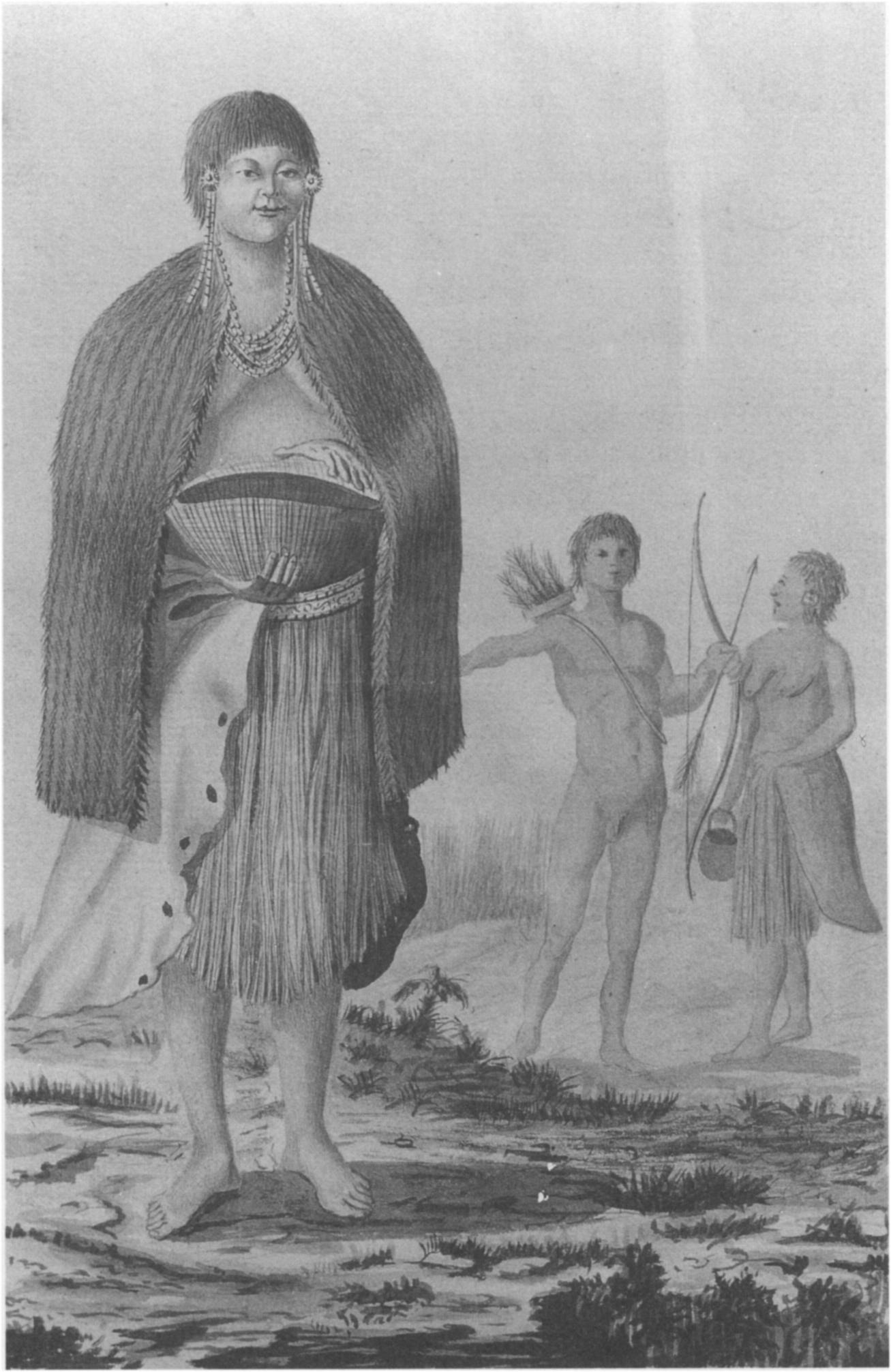
Figure 1. Native Indians of the Monterey, California area circa 1791 as drawn by José Cardero.
On the evening of December 16, 1602, this all began to change when the first western colonizers, the Spanish Vizcaino Expedition, sailed into Monterey Bay (Figure 2). They were, no doubt, noticed by the nearby Rumsen People, but it wasn’t until the next day that first contact was made. That morning, Ensign Alarcon arrived in a landing boat with orders from the admiral to “make a hut where a mass could be said and to see if there was water, and what the country was like.” He soon reported back that there was fresh water and “a great oak near the shore”, where a hut and arbor were prepared for mass. Upon hearing this news Sebastian Vizcaino and crew embarked to shore and a Catholic mass was said at the improvised altar under this “great oak.”
Read the rest of this entry » Sudden Oak Life by Lee Klinger
Recent Comments