Peatlands and Gold Mining in Ireland

13 10 2026

I’ve recently returned from a trip to Ireland where I testified as an expert witness in a public inquiry regarding a prospective gold mine in the Sperrins, a scenic pastoral region of low mountains that supports ancient peatlands and many rare species in northern Ireland. The gold mine is proposed to eliminate approximately 75 acres of peat bogs, most of which are 5000 to 10,000 years old. Legally one of most protected landscapes in Europe, the Sperrins is highly environmentally sensitive and an important cultural landscape.

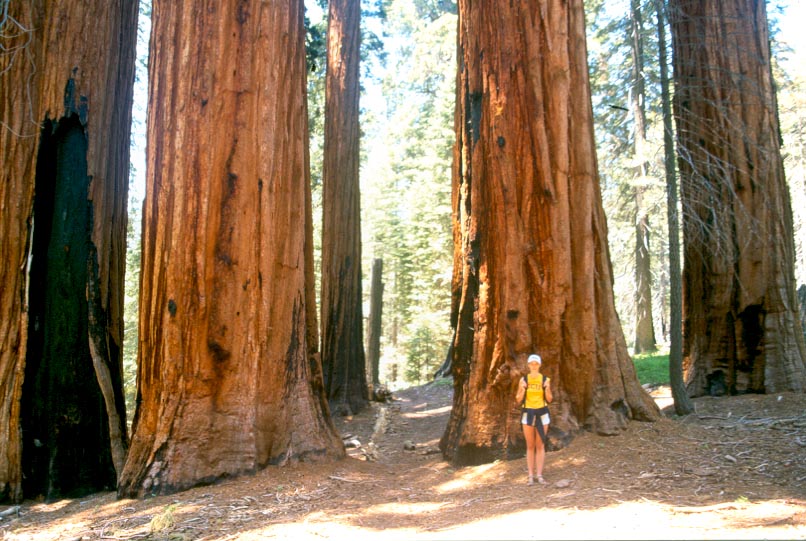
Imagine that a gold mining company here in California proposed to clearcut 75 acres of ancient redwood trees, some dating to over 1000 years old, to simply to access the gold beneath. It follows that it would take up to 1000 years of forest restoration to replace the damage, and likely even longer. Thus, I believe the public outcry here would be deafening with Julie Butterfly Hill-inspired activists occupying the ancient trees. Imagine, too, that these peatlands may be storing archeological relics such as stone circles and lines of standing stones.
This is the analogy I presented at the Dalradian gold mine public inquiry, except that in Ireland we are not talking about ancient forests, but ancient peat bogs that are 10 times the age of old-growth California redwoods. While most of you know me as a tree and forest care practitioner, my ecological expertise also extends to peatlands and peat bogs. While I’m a passionate defender of old-growth forests, I’m an even more passionate defender of old-growth peat bogs, which I view as climax ecosystems wherever they occur.

The “public inquiry” regarding the proposed Dalradian gold mine in the Sperrins, seemed to me rather asymmetrical. Along one side of the hearing hall sat the Dalradian contingent, which was anywhere between 20 and 40 people ranging from expert witnesses to regular employees. They were nearly always allowed to comment first on any question posed by the County Tyrone Commissioners. The next group allowed comment were the public agencies who sat in the middle of the hall and included the Northern Ireland Environmental Agency (NIEA) and the Department for Infrastructure (DfI). The final group allowed to comment were members of the public, with our tables labelled “3rd parties”. That’s a telling term describing the “public” in a public inquiry.

The folks leading the 3rd Parties are the members of Save Our Sperrins (SOS), a local grass roots campaign led by Fidelma O’Kane and Marella Fyffe that is strongly challenging the proposed gold mine. A few years earlier they engaged with a good friend of mine, Dr. Steve Emerman, who is a expert in mining operations and their harms. His testimonials alone make it clear that the proposed gold mine in the Sperrins violates numerous recommended “best practices” in the mining industry literature, including mine operations, mine waste facilities, and ecosystem restoration. Dr. Emerman’s detailed criticisms in support of the SOS campaign against the gold mine in the Sperrins can be heard in two podcasts. https://www.podbean.com/ep/pb-wv8ar-1b53b36 and https://www.podbean.com/ep/pb-9mq5h-1b3f1dd.
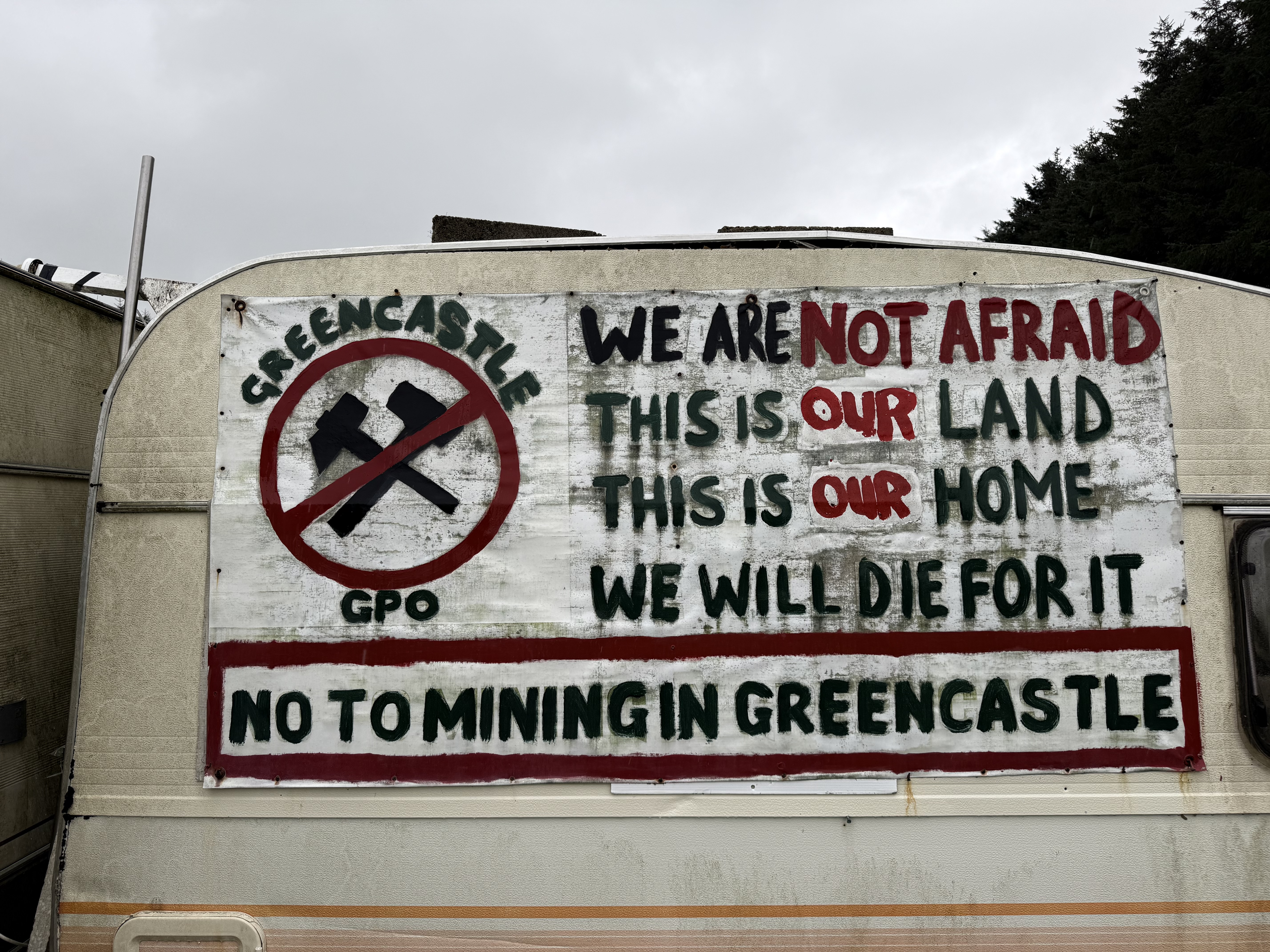
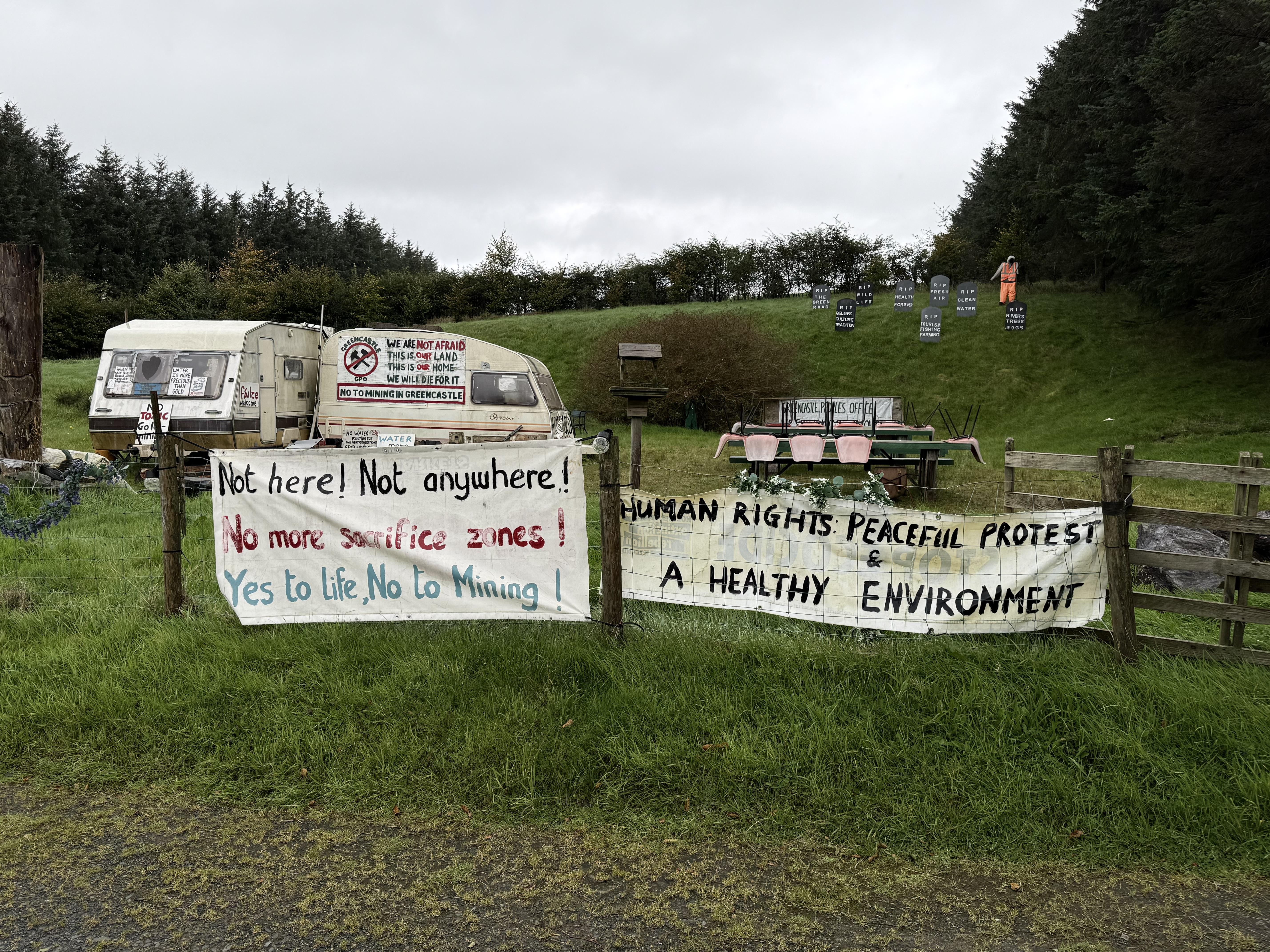
My own testimony focused on the great age of the peat bogs, the detrimental effects of vehicular road dust on Sphagnum mosses, the inability of bogs to function following peatland removal (here involving roughly 217,000 cubic yards of peat), the problematic efforts to restore peatlands with intact sections of peat bog surface vegetation (I’ve already tried that and it simply doesn’t work), the effects of road dust on peatland ecosystems (a focus of my Master’s thesis), and the lack of accounting for the potential release of radioactive Cesium 137 following excavation, which has been tightly bound in the peat since the Chernobyl accident.

Freelance reporter Shauna Corr has written a recent report on the Dalradian public inquiry and mentions some of my input https://www.thedetail.tv/articles/approving-sperrins-goldmine-application-in-current-form-would-be-unlawful-loughs-agency-tells-public-inquiry.
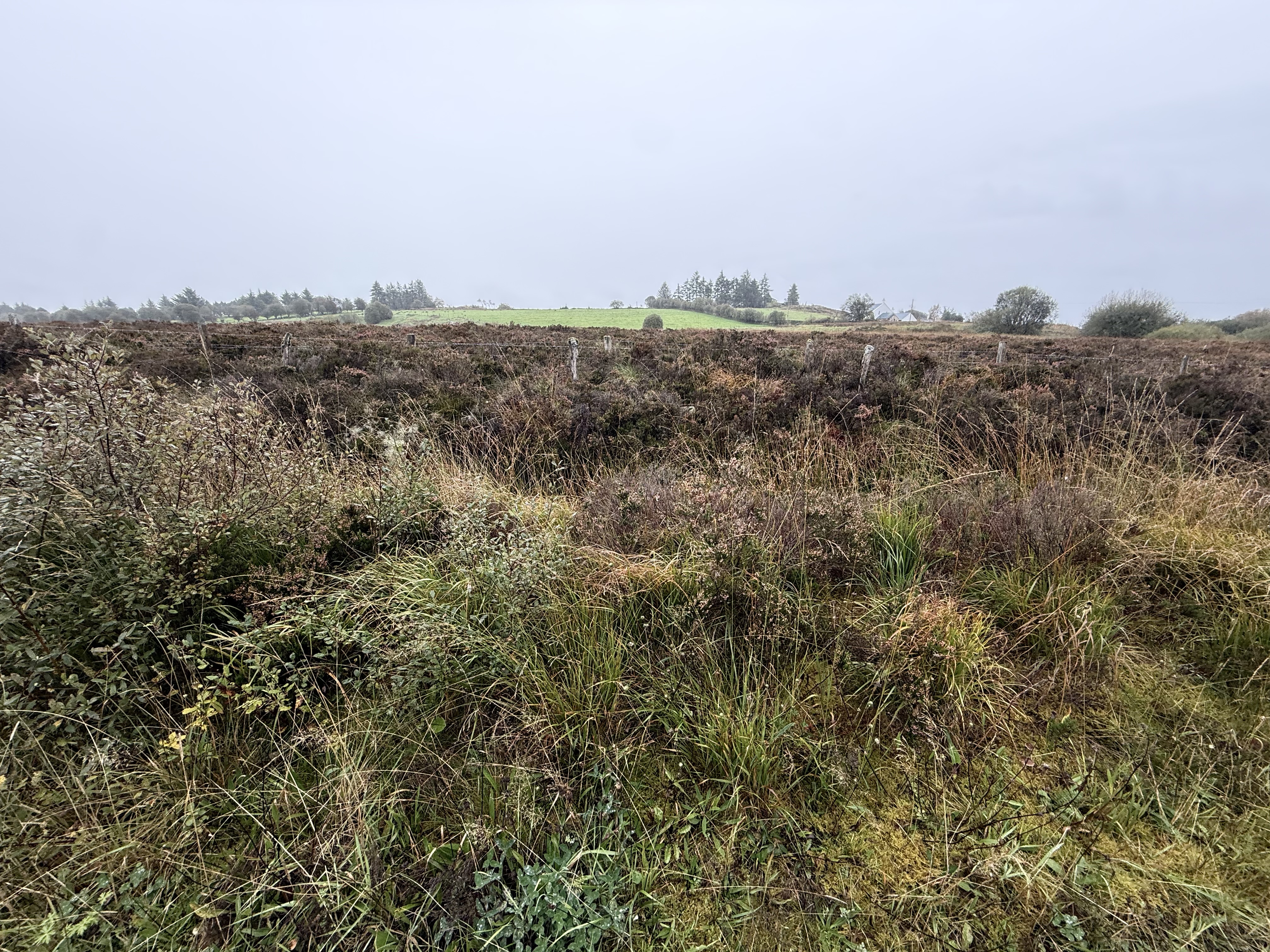
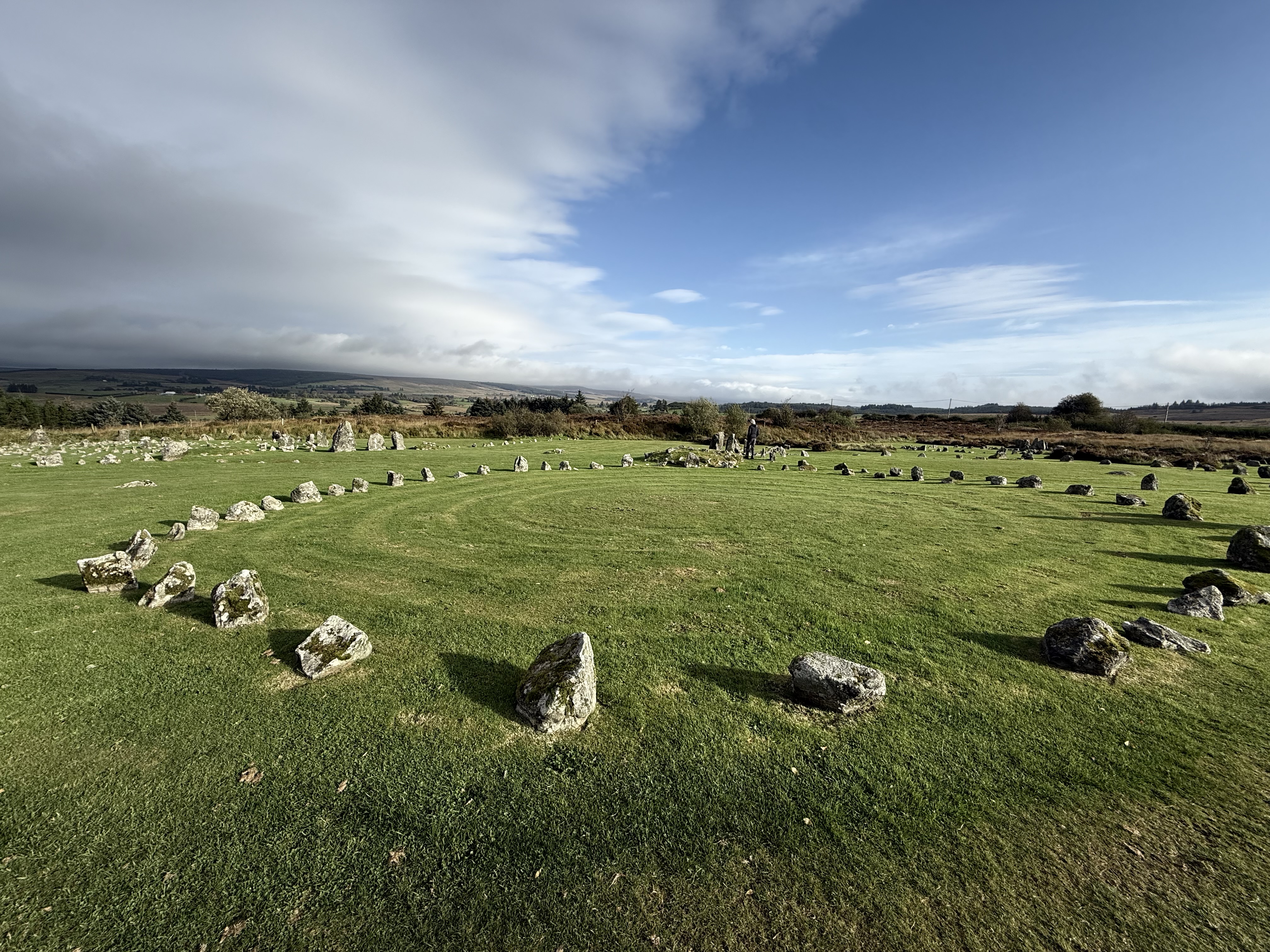
Creagan Bog, northern Ireland

During my visit to Ireland I also attended the 2026 “The State of Mining in Ireland” Conference (4 Oct.) in Dublin hosted by The National Trust for Ireland. Here I was able to connect with many like-minded folks, including Lynda Sullivan, Caroline Whyte, and Amy Strecker, all of whom are, almost single-handedly, waging battles against mining conglomerates intent on profits rather than the care of Ireland and its people.
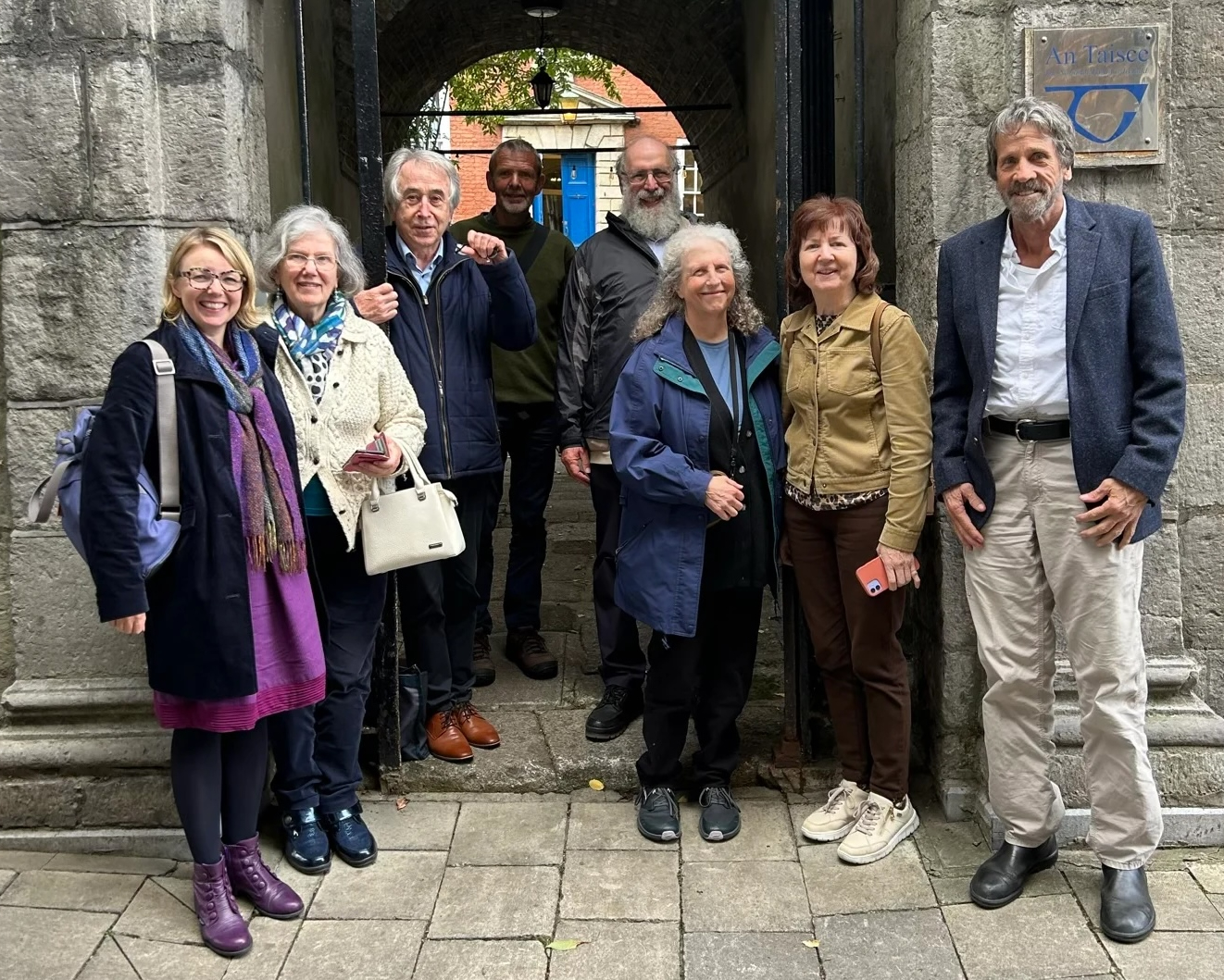
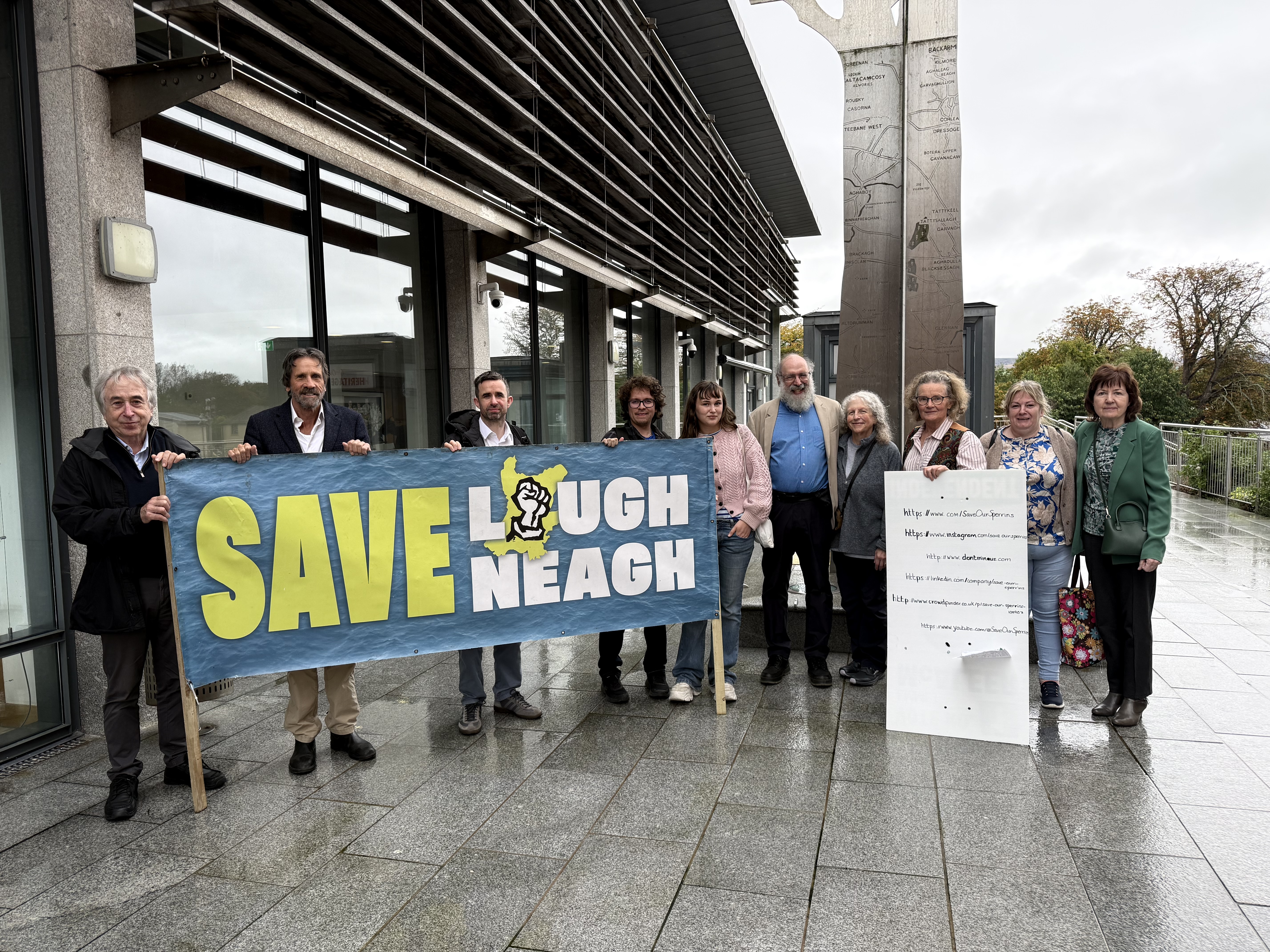
Save Our Sperrins representatives at "The State of Mining in Ireland" conference in Dublin (4 Oct. 2026).

Perhaps it ‘s relevant that I am part Irish. This was my 4th visit to Ireland and I keep feeling my heritage in this countryside. The one thing that has become clear from during this last visit is that I’ve many more areas of Ireland to explore.

PS. If you’ve read this far, then you deserve a literal gem of knowledge. My next book will explain, in excruciating scientific detail, why gold ore deposits, diamond deposits, and most other ores and gemstones are biological, rather than geological, in origin. In other words, the gold that the Dalradian corporation plans to mine was formed over many millennia by the ecological and microbial metabolisms of the same peatlands they plan to destroy. Call me crazy (and some have) but I truly believe that gem-quality diamonds and gold ores, are not formed under the high temperature and pressure conditions found in the upper mantle, rather their origins lie in long-lasting microbial metabolisms that are maintained by water and organic carbon compounds released from long-lived overlying peat bog ecosystems.
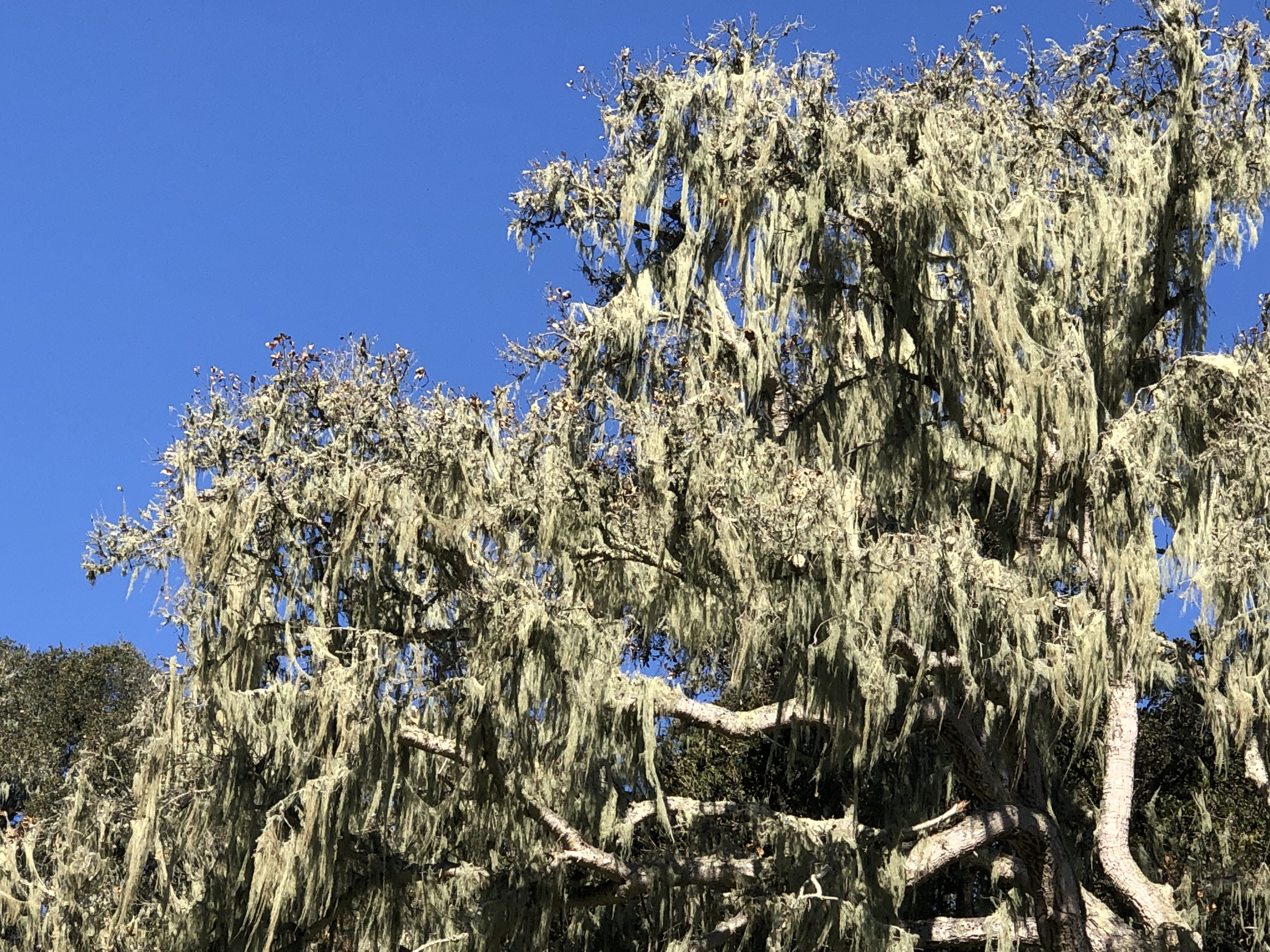


Is the assumption that lichens are harmless to trees correct?

12 12 2024
Dying coast live oak, centuries old, “smothered” in Ramalina reticulata and Usnea sp. lichens.

One of the most popular posts on this blog has been “Do lichens play a role in oak decline?” with nearly 4K views since it was published in 2018. With all those views I’m surprised that only a single reader has so far responded. It seems that photographing and identifying lichens is cool, but the ecology of lichens isn’t all that interesting to most folks.

Today I present readers a more detailed discussion on the ecology of epiphytic lichens and their possible effects on tree health. The following are excerpts from Chapter 6: The Cryptic Ecology of Mosses and Lichens, in my book “Forged by Fire: The Cultural Tending of Trees and Forests in Big Sur and Beyond”.

Foliose lichen (Flavoparmelia sp.) growing in a mat of mosses (Grimmia sp.) on the bark of an ancient coast live oak.
Read the rest of this entry »


Video recording of “Forest restoration theory and practice based on Indigenous cultural tending”

17 11 2020

Here a Youtube video of my recent lecture and discussion in the course FORESTS, hosted by the Humanities Center of Texas Tech University. Many thanks to Bruce Clarke and Michael Borshuk for facilitating this talk!


Scientific meeting on Gaia at the Geological Society of London – November 11, 2015

5 10 2015

Carlsbad caverns. Photo by Lee Klinger.

Carlsbad caverns. Photo by Lee Klinger.

On November 11, 2015 there will be a meeting entitled “Puzzle of Earth’s Uninterrupted Habitability” to be held at the Geological Society of London (GSL). This meeting will have a strong emphasis on Gaia theory and several prominent Gaian scholars will be speaking, including Tim Lenton, David Wilkinson, Toby Tyrrell, and David Schwartzman. As a Fellow of the GSL I have been invited to speak at this meeting. Here are the title and abstract of my talk:

“Biological mediation of acidity and alkalinity: Does habitability require regulation of environmental pH?”

Lee Klinger, Independent Scientist, Big Sur, CA USA

Abstract – Climatic cycles such as ice ages represent large excursions in global temperatures and are associated with significant changes in atmospheric CO2, non-sea salt sulfate, and dust, as recorded in ice cores. Ice age excursions in the pH of marine waters are predicted to result from the altered concentrations of CO2 in those waters. In addition, there are a number of biologically mediated processes affecting the pH of terrestrial and marine environments.

During interglacials terrestrial ecosystems are dominated by forests and grasslands that experience frequent disturbances, especially fire, which tends to alkalinize the soils. At the onset of glaciation higher latitude fire regimes subside and the forests become podzolized, with a corresponding decrease in soil pH. Many of these areas are eventually paludified, owing primarily to the acidifying and swamping effects of mosses and lichens, which eventually dominate the expanding peatlands. Mosses and lichens are known to stimulate silicate weathering rates to levels that could significantly reduce atmospheric CO2, and the cooling effects of peatlands are thought to play a role in ice age initiation. There is evidence that the production of iron-rich organic acids by peatlands greatly enhances phytoplankton blooms in adjacent coastal areas. Rainfall chemistry from the Pacific northwest points to the occurrence of biogenic acid rain likely originating from DMS and other biogenic sulfur compounds emitted by the phytoplankton. A feedback results through the nss-sulfate deposition enhancing the growth of mosses.

As ice ages progress and glaciers grow, dust levels in the atmosphere are also seen to rise. Much of this dust is due to an increase in glacial loess. The iron content of the dust stimulates marine productivity in open ocean areas. Oceanic inputs of iron from volcanic ash and glacial outwash are also seen to increase during glacial periods.

The culmination of the glacial period is defined by feedbacks involving the expansion of glaciers into areas formerly occupied by peatlands. The high mineral content of the glacial loess, along with episodes of volcanic ash would tend to alkalinize the terrestrial ecosystems and discourage the proliferation of mosses and other acidifying organisms.

Thus, the pH excursions in the ice age cycle may be related to the biogeochemical coupling of the iron and sulfur cycles. This coupling could have its roots in the Precambrian banded iron formations (BIFs), cyclic depositions of iron-rich minerals that are likely biogenic in origin. BIFs are seen to be closely associated with snowball earth conditions.


Improvement seen in pine health with fire mimicry

16 05 2012

I’m often asked whether the fire mimicry techniques that have been so successful in oak restoration work on other trees. Given that many California native tree species are fire-adapted there is every reason to believe that fire mimicry could help them too. Indeed, I have several previous posts showing positive responses of a variety of non-oak species to fire mimicry treatments, including buckeyes, redwoods, and Douglas firs.

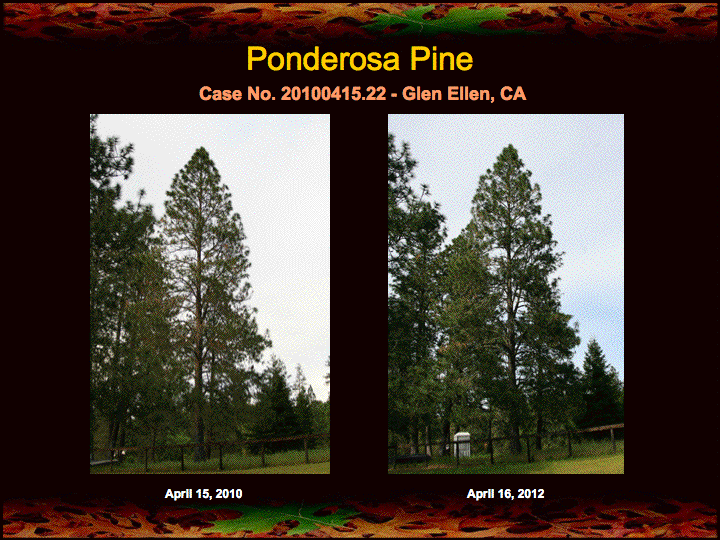
Today I would like to share some recent results with pine trees. California pines are also fire-adapted, and with the suppression of forest fires, are becoming ill and infected with bark beetles and pitch pine canker. Thus, fire mimicry treatments seem to be critical in helping sick pines and in keeping healthy pines from deteriorating.

The four-year results shown below are of a sick Monterey pine in Carmel, the two-year results are of mostly healthy ponderosa pines in Glen Ellen, and the one-year results are of mostly healthy Monterey pines in Mill Valley.

A word about the four-year results. I first treated this Monterey pine in 2008 when the owners observed some decline in the tree. On my return the following year I found the pine to have deteriorated slightly. By the second year it had deteriorated significantly. I was mystified since the nearby oaks I had treated were responding nicely. Pines have an extensive root system, so I decided to peek over the neighbor’s fence and was surprised to find the entire yard was a Japanese garden with a mat of mosses forming a solid carpet on the ground. While mosses serve a purpose in a Japanese garden by stunting growth, creating twisted forms, and stimulating unusual foliage coloration in the small trees and acid-tolerant shrubs, a heavy moss cover is not compatible with a nearby large, fast-growing pine.

I was able to get permission from the neighbor to treat the soils, but I could not spread minerals on the soils as that would likely damage much of the moss cover, thus, ruining the aesthetics of their garden. So, instead, I did a deep root feeding by drilling small holes through the moss mat and injecting the minerals into the subsoil. These treatments were done in 2010 and again in 2011. The photos below show that after two years the pine has made a nice recovery. Read the rest of this entry »


Five-year response of California buckeyes to fire mimicry

12 07 2010

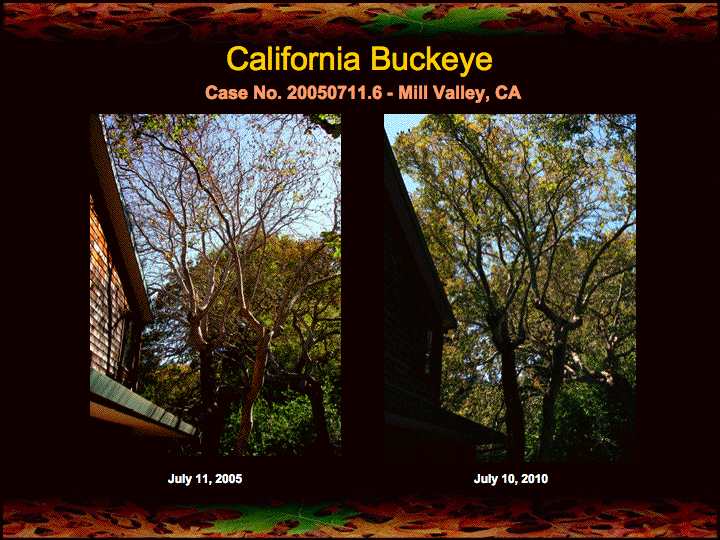
Last year I posted a piece on using fire mimicry to treat early leaf senescence in California buckeyes. A few days ago I checked up on these buckeyes and re-photographed them. As you can see in the photos posted here the buckeyes are continuing to show improvement after tending with fire mimicry practices.

When I first saw these trees in 2005 they appeared to be severely stressed due to soil acidification. The lawn areas around their base had a dense cover of mosses growing among the grasses. The mosses were removed by thatching the lawn areas and the soils were treated with several hundred pounds of soil minerals (Azomite and calcitic limestone).

These and other results (see here and here) are showing that the fire mimicry practices which are working so well in restoring the health of the oaks (see here, here, here, here, here, etc.) are also useful in restoring the health of other kinds of trees. This certainly makes sense if the problem is ecological (e.g. fire suppression, soil acidification, overcrowding, etc.) rather than pathological (e.g. disease, insect pests).

I encourage anyone who is interested in getting more information on the methods and services of tree care and forest restoration shown here to please contact me. Read the rest of this entry »


Acute Oak Decline in the UK – Part 2

30 04 2010

In my previous post on Acute Oak Decline I posed the question of whether ecological factors are predisposing oaks to this “new” disease. My concern is that research groups led by the plant pathologists will remain focused on the disease model and not consider the ecology of the problem. I encourage scientists studying Acute Oak Decline to pause for a moment, take a breath, and consider things like rain pH, soil fertility, and ecosystem structure before launching into a costly vortex of biological studies on whatever bacterial species is determined to be the “cause”.

In this post I would like to present some preliminary findings of soil fertility in a stand of diseased and non-diseased English oaks (Quercus robur) in Bushy Park, London, UK. Several oaks showed bleeding symptoms characteristic of Acute Oak Decline (see photos below), although the bacterial species was not positively ID’d.

English oak with Acute Oak Decline in Bushy Park, London (photo by Lee Klinger)

Closeup view of Acute Oak Decline bleeding symptoms. Note deep cracks in the bark. (photo by Lee Klinger)

Upon inspecting the soils I noticed that near the diseased trees there were large mats of mosses, whereas few mosses were found around the non-diseased oaks. Having a strong interest in the influence that mosses may have on soil fertility, and thus oak health, I, along with Neville Fay of Treework Environmental Practice and Vinodh Krishnamurthy of Soil Foodweb Lab Services and Research, devised a simple test. Read the rest of this entry »


Using fire mimicry to treat early leaf senescence in California buckeyes

15 07 2009

The buckeye (Aesculus californica) is a deciduous tree, low and broad in stature, that is endemic to California. Every year these trees extend their gratitude by offering up a harvest of enormous size nuts. The species is a vital part of the California ecosystem and ever so worthy of our attention. Some even believe that tending the buckeyes is a responsibility passed on to us by the native people, who for the past few thousand years have been tending California’s buckeye groves.

Buckeyes do very well in open forests and savannas, especially in places where fires have been allowed to burn. However, on unburned lands buckeyes are often seen to be in poor health. Where forests are overgrown and acidified the buckeyes are experiencing serious health problems, including stem failure, canopy dieback, and any numbers of leaf blights including anthracnose and sudden oak death.

One of the first symptoms of ill health in buckeyes is the early seasonal onset of leaf senescence. Several years ago an astute friend of mine began noticing that for several years the buckeyes near her home had been losing their leaves earlier than usual. She contacted me about the problem and I suggested we try fire mimicry, the same treatments that I’ve been using on the oaks.

After four years of ongoing treatment here are the results . . .

20050711.8

Read the rest of this entry »