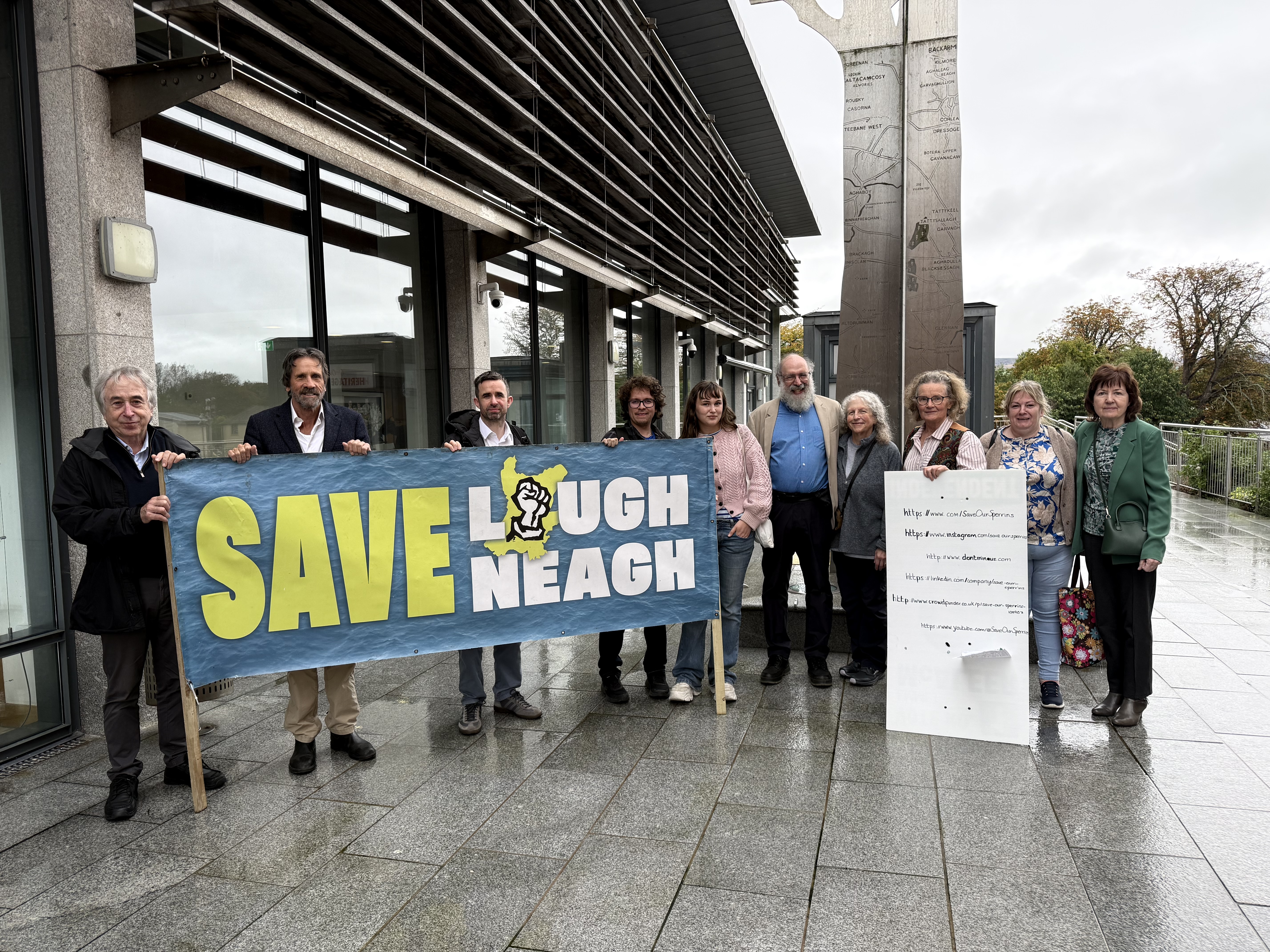
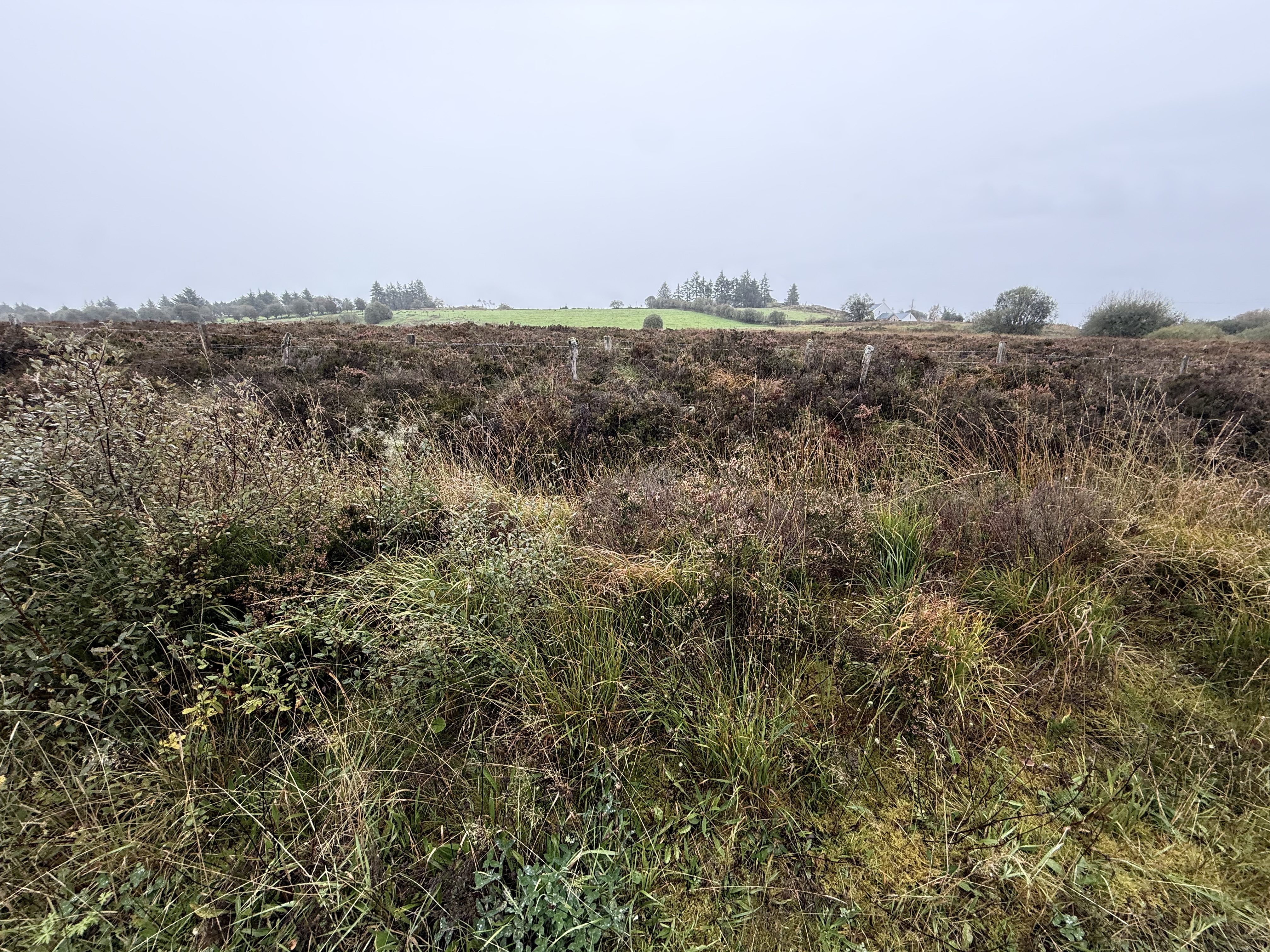
I’ve recently returned from a trip to Ireland where I testified as an expert witness in a public inquiry regarding a prospective gold mine in the Sperrins, a scenic pastoral region of low mountains that supports ancient peatlands and many rare species in northern Ireland. The gold mine is proposed to eliminate approximately 75 acres of peat bogs, most of which are 5000 to 10,000 years old. Legally one of most protected landscapes in Europe, the Sperrins is highly environmentally sensitive and an important cultural landscape.
Imagine that a gold mining company here in California proposed to clearcut 75 acres of ancient redwood trees, some dating to over 1000 years old, to simply to access the gold beneath. It follows that it would take up to 1000 years of forest restoration to replace the damage, and likely even longer. Thus, I believe the public outcry here would be deafening with Julie Butterfly Hill-inspired activists occupying the ancient trees. Imagine too that these peatlands may be storing archeological relics such as stone circles and lines of standing stones.
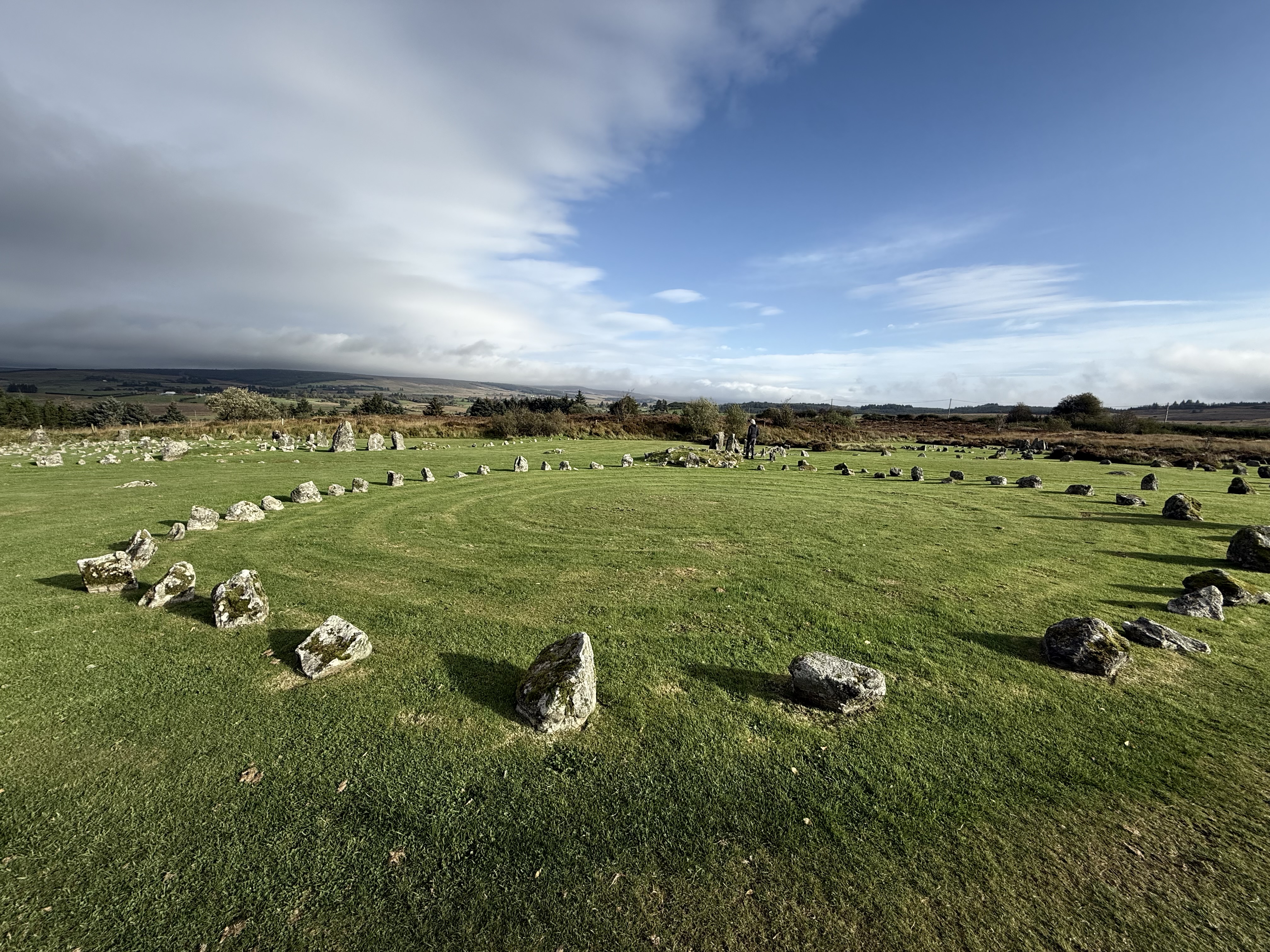
This is the analogy I presented at the Dalradian gold mine public inquiry, except that in Ireland we are not talking about ancient forests, but ancient peat bogs that are 10 times the age of old-growth California redwoods. While most of you know me as a tree and forest care practitioner, my ecological expertise also extends to peatlands and peat bogs. While I’m a passionate defender of old-growth forests, I’m an even more passionate defender of old-growth peat bogs, which I view as climax ecosystems wherever they occur.
The “public inquiry” regarding the proposed Dalradian gold mine in the Sperrins, seemed to me rather asymmetrical. Along the one side of the hearing hall sat the Dalradian contingent, which was anywhere between 20 and 40 people ranging from expert witnesses to regular employees. They were nearly always allowed to comment first on any question posed by the County Tyrone Commissioners. The next group allowed comment were the public agencies who sat in the middle of the hall and included the Northern Ireland Environmental Agency (NIEA) and the Department for Infrastructure (DfI). The final group allowed to comment were members of the public, with labels on our tables reading “3rd parties”. That’s a telling label for the “public” in a public inquiry.
The folks leading the 3rd Parties are the members of Save Our Sperrins (SOS), a local grass roots campaign, led by Fidelma O’Kane and Marella Fyffe, is strongly challenging the proposed gold mine. A few years earlier they engaged with a good friend of mine, Dr. Steve Emerman, who is a expert in mining operations and their harms. His testimonials alone make it clear that the proposed gold mine in the Sperrins violates numerous recommended “best practices” in the mining industry literature, including mine operations, mine waste facilities, and ecosystem restoration.Dr. Emerman’s detailed criticisms in support of the SOS campaign against the gold mine in the Sperrins can be heard in two podcasts. https://www.podbean.com/ep/pb-wv8ar-1b53b36 and https://www.podbean.com/ep/pb-9mq5h-1b3f1dd.
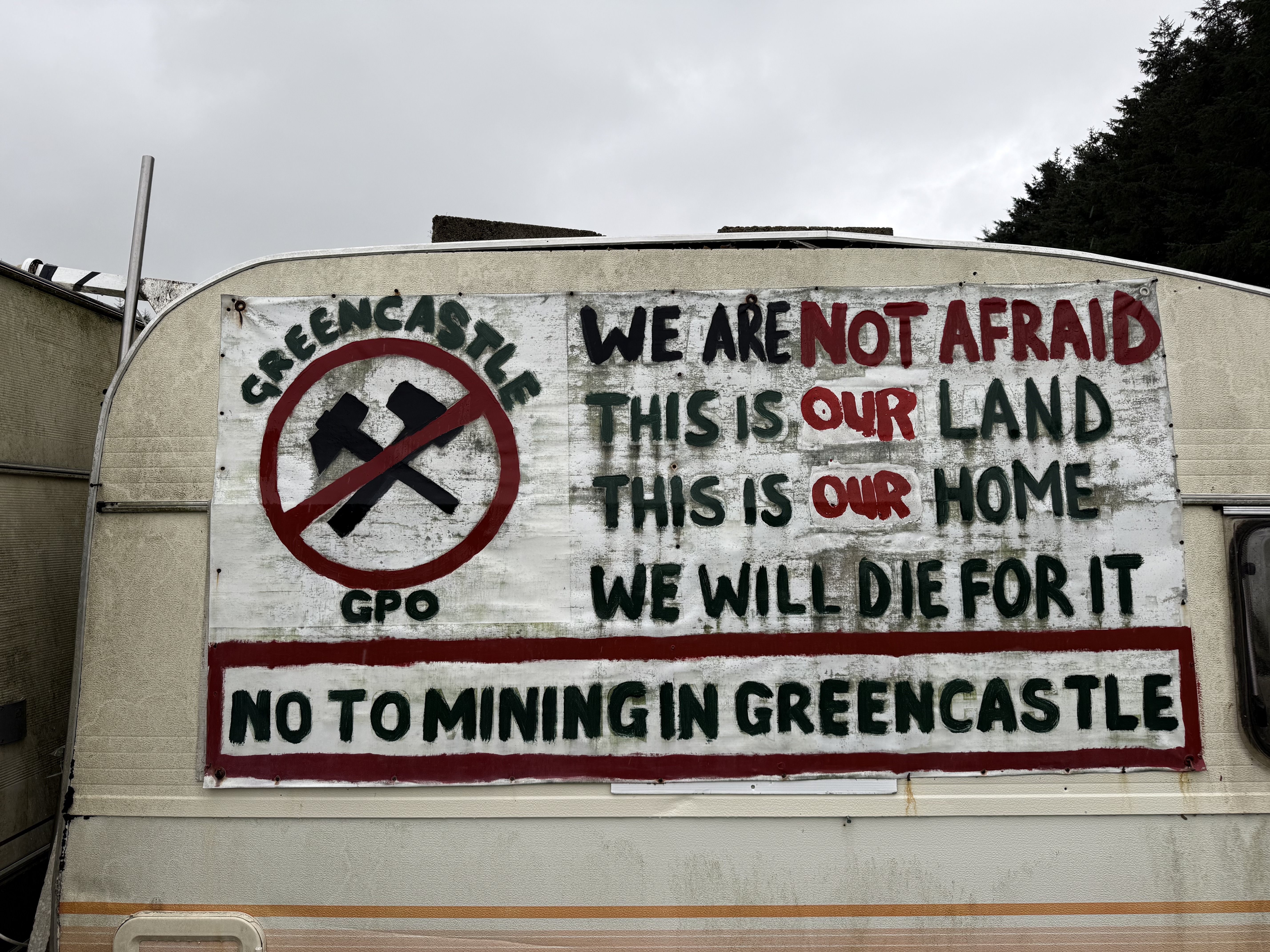
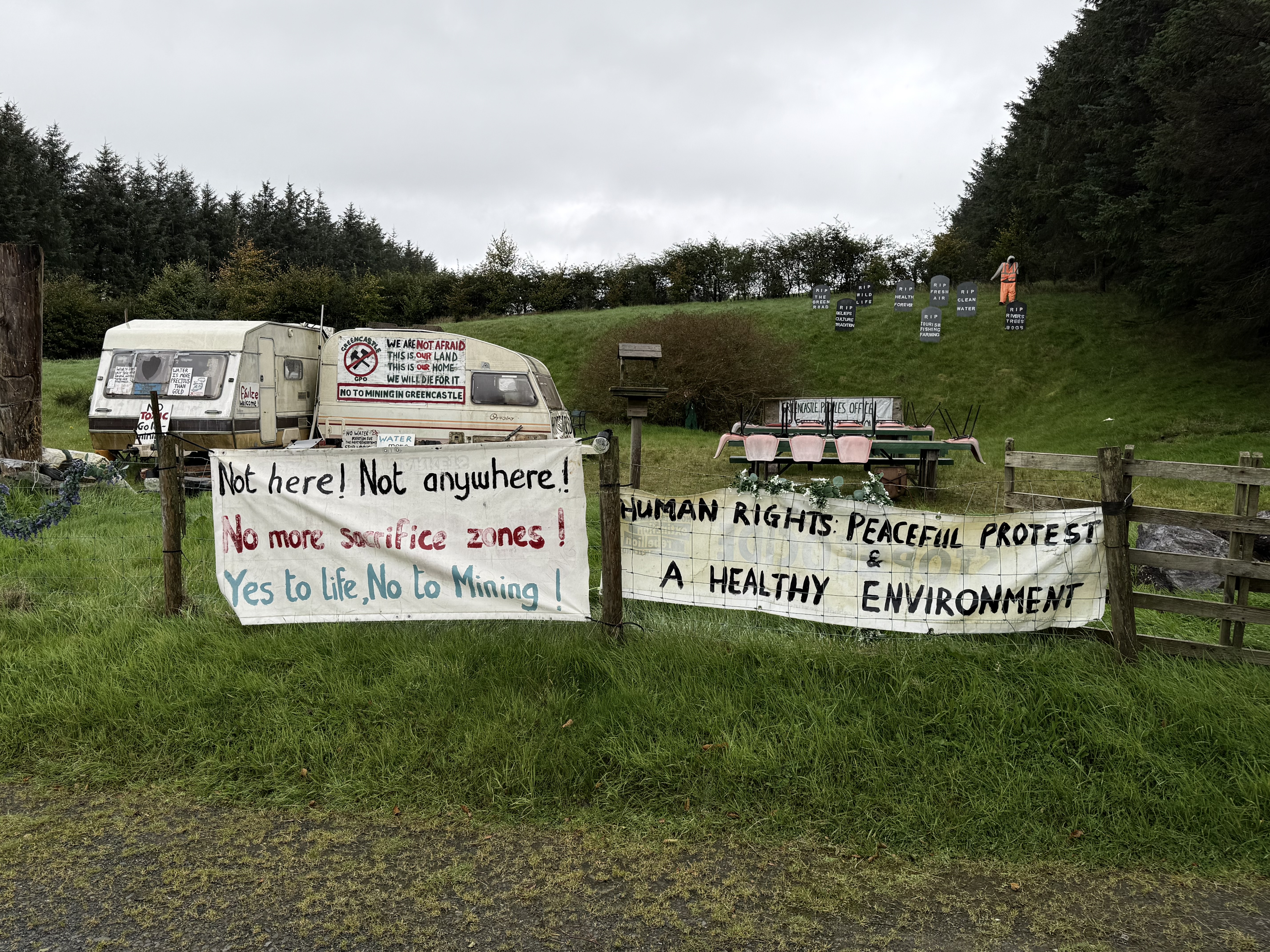
My own testimony focused on the great age of the peat bogs, the detrimental effects of vehicular road dust on Sphagnum mosses, the inability of bogs to function following peatland removal (here involving roughly 217,000 cubic yards of peat), the problematic efforts to restore peatlands with intact sections of peat bog surface vegetation (I’ve already tried that and it simply doesn’t work), and the lack of accounting for the potential release of radioactive Cesium 137 following excavation, which has been tightly bound in the peat since the Chernobyl accident.
Freelance reporter Shauna Corr has written a recent report on the Dalradian public inquiry and mentions some of my input https://www.thedetail.tv/articles/approving-sperrins-goldmine-application-in-current-form-would-be-unlawful-loughs-agency-tells-public-inquiry.
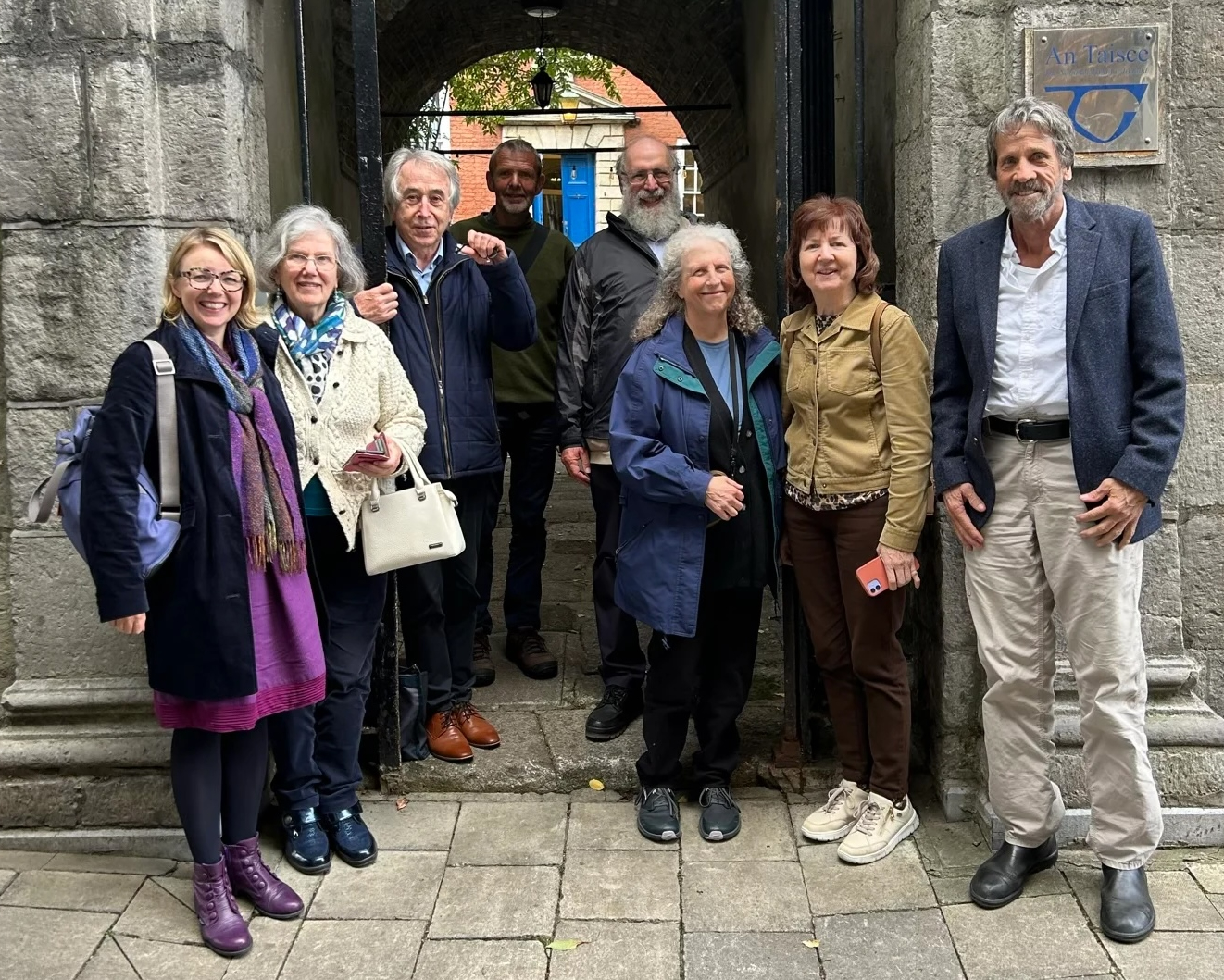
During my visit to Ireland I also attended the 2026 “The State of Mining in Ireland” Conference (4 Oct.) in Dublin hosted by The National Trust for Ireland. Here I was able to connect with many like-minded folks, including Lynda Sullivan, Caroline Whyte, and Amy Strecker, all of whom are, almost single-handedly, waging battles against mining conglomerates intent on profits rather than the care of Ireland and its people.
Perhaps it ‘s relevant that I am part Irish. This was my 4th visit to Ireland and I keep feeling my heritage in this countryside. The one thing that has become clear from during this last visit is that I’ve many more areas of Ireland to explore.
PS. If you’ve read this far, then you deserve a literal gem of knowledge. My next book will explain, in excruciating scientific detail, why gold ore deposits, diamond deposits, and most other ores and gemstones are biological, rather than geological, in origin. In other words, the the gold that the Dalradian corporation plans to mine was formed over many millennia by the ecological and microbial metabolisms of the same peatlands they plan to destroy. Call me crazy, but I truly believe that gem-quality diamonds, like gold ores, are not formed under the high temperature and pressure conditions found in the upper mantle, rather their origins lie in long-lasting microbial metabolisms that are maintained by water and organic carbon compounds released from long-lived overlying peat bog ecosystems.


Leave a Reply