Last week I visited and re-photographed several coast live oaks near El Capitan Ranch outside of Santa Barbara that were treated last year with fire mimicry. Most of the oaks have shown significant improvement in canopy health in just one year. Here is a sample of the results:
El Capitan oaks responding to fire mimicry
21 07 2010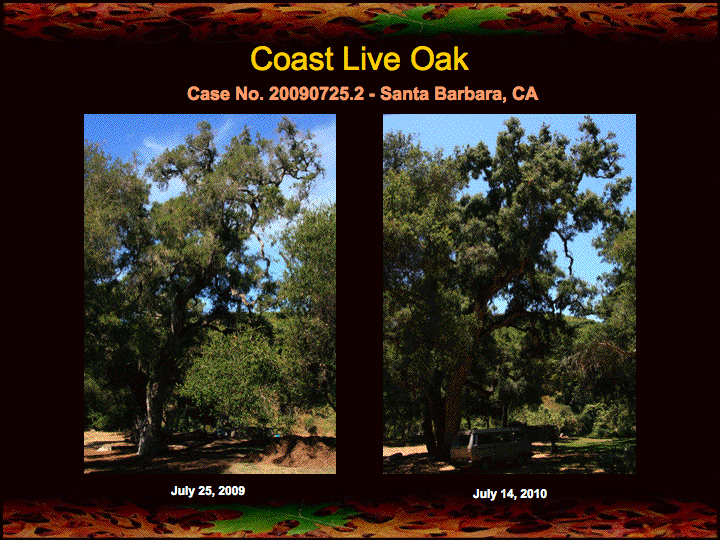
Comments : Leave a Comment »
Categories : Case studies, Fire mimicry, Oak health, Repeat photography
Encino heritage oak – 2010 update
15 07 2010Yesterday I visited and tended a huge valley oak which, at about 500 years old, is possibly the oldest valley oak in Encino, CA. This oak appears to have been pollarded (pruned in a way that encourages broad, spreading branches) by the native people hundreds of years ago. Last year I posted a story about this Encino heritage oak, and presented photos that showed a significant improvement in the health of the tree in response to fire mimicry treatments.
We are now in the 4th year of fire mimicry treatments and the oak continues to show a very good response, as the photos below indicate:
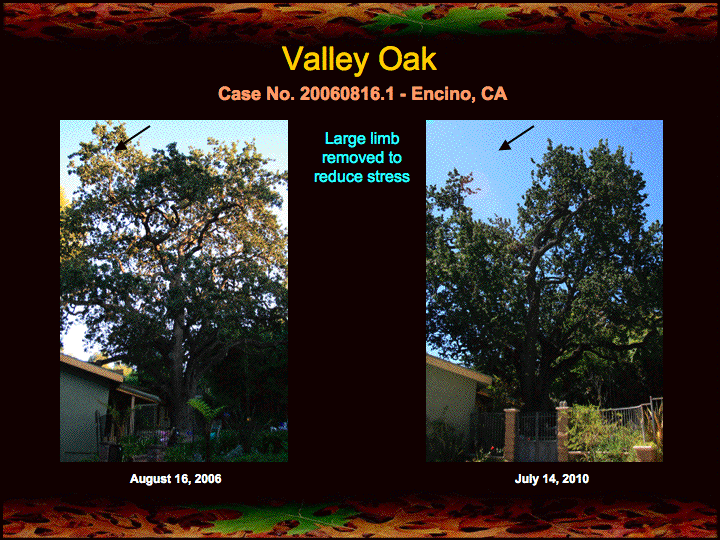
Encino heritage oak
Comments : Leave a Comment »
Categories : Case studies, Fire mimicry, Native people, Oak health, Repeat photography
Five-year response of California buckeyes to fire mimicry
12 07 2010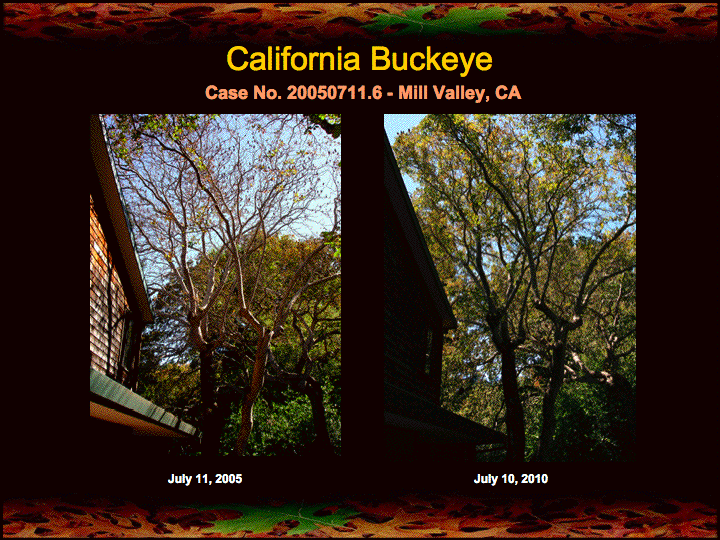
Last year I posted a piece on using fire mimicry to treat early leaf senescence in California buckeyes. A few days ago I checked up on these buckeyes and re-photographed them. As you can see in the photos posted here the buckeyes are continuing to show improvement after tending with fire mimicry practices.
When I first saw these trees in 2005 they appeared to be severely stressed due to soil acidification. The lawn areas around their base had a dense cover of mosses growing among the grasses. The mosses were removed by thatching the lawn areas and the soils were treated with several hundred pounds of soil minerals (Azomite and calcitic limestone).
These and other results (see here and here) are showing that the fire mimicry practices which are working so well in restoring the health of the oaks (see here, here, here, here, here, etc.) are also useful in restoring the health of other kinds of trees. This certainly makes sense if the problem is ecological (e.g. fire suppression, soil acidification, overcrowding, etc.) rather than pathological (e.g. disease, insect pests).
I encourage anyone who is interested in getting more information on the methods and services of tree care and forest restoration shown here to please contact me. Read the rest of this entry »
Comments : Leave a Comment »
Categories : Buckeye health, Case studies, Fire mimicry, Moss ecology, Repeat photography
Using repeat photography to assess the response of oaks to fire mimicry
12 06 2010Last week I checked up on some oaks in Santa Barbara that have been undergoing fire mimicry treatments for the past two years. One way I assess the change in health of a tree is through repeat photography analysis of the tree’s canopy. Repeat photography is not as simple as it seems. Photographs are taken at the time the oaks are first treated. Subsequent photos are taken at annual intervals, meaning I get to visit the trees I treat every year, year-after-year. It’s quite a commitment to schedule yearly visits to all the oaks I’ve treated. In re-photographing the trees it is important to match the time of year, time of day, sky condition, camera angle, and exposures as closely as possible to the original photos. I don’t get it precise every time, but I do my best. Changes in tree health can be detected in the photographs as increases or decreases in canopy density (the amount of background sky seen through the canopy), and in changes in the amount of gray or brown foliage vs. green foliage.
Below are the results of the repeat photography analysis of the canopy health in the Santa Barbara oaks I visited last week . . .

Comments : Leave a Comment »
Categories : Case studies, Fire mimicry, Oak health, Repeat photography
Monterey Bay area oaks responding to fire mimicry
14 05 2010Yesterday I went to check on some sick coast live oaks in the Monterey Bay area that have been undergoing fire mimicry treatments for the past two years. The results I believe are encouraging . . .

Comments : Leave a Comment »
Categories : Case studies, Fire mimicry, Oak health
Grandfather oak
9 04 2010Today my dear friend Donna Shoemaker, her friends Dick and Bob (real characters), Greg from Marin County Open Space (our helpful guide), and I ventured up King Mountain to do another fire mimicry treatment on an ancient coast live oak affectionately known as “grandfather oak”.

Donna, Dick, Bob, and grandfather oak (photo by Lee Klinger)
Comments : Leave a Comment »
Categories : Case studies, Fire mimicry, Oak health, Sudden Oak Death
Fire mimicry 2-year results with coast live oaks
7 04 2010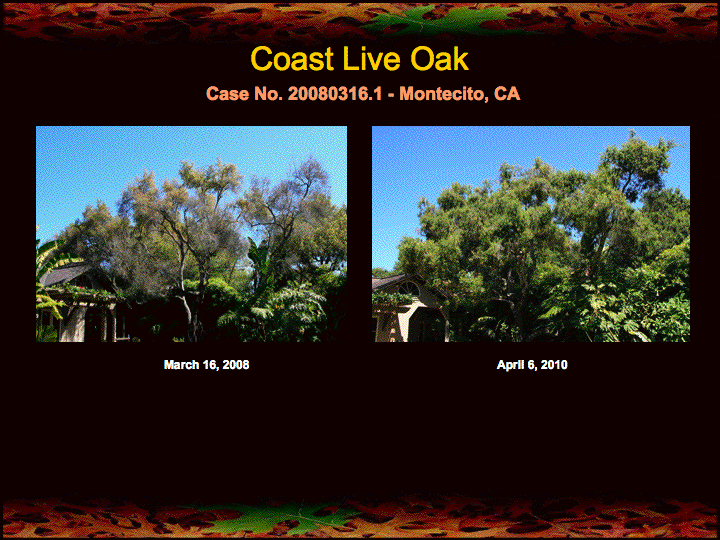
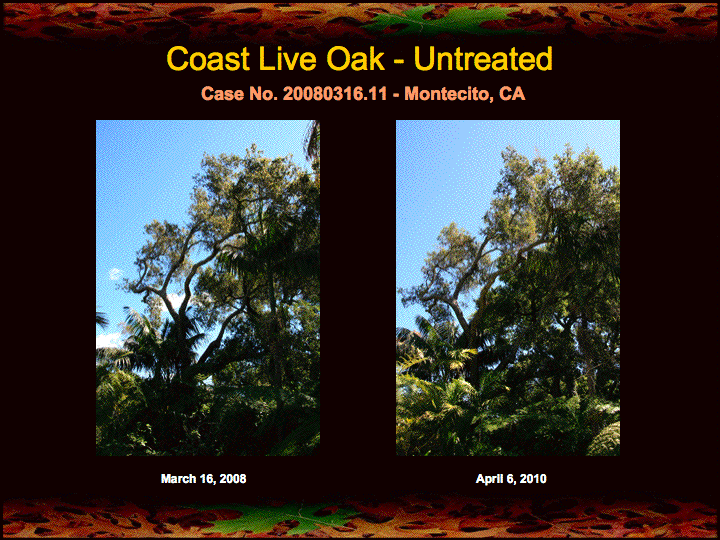
Yesterday I re-photographed several coast live oaks in Santa Barbara that have been undergoing fire mimicry treatments for two years. Here are the results. Note that the latest photos were taken a few weeks later in the season than the original photos. This will have some affect on the results due to the few weeks of additional growth. However, the examination of a control (untreated) oak here indicates that this additional growth cannot explain the significant increase in canopy health seen in the results with the many treated oaks. Read the rest of this entry »
Comments : Leave a Comment »
Categories : Case studies, Fire mimicry, Oak health
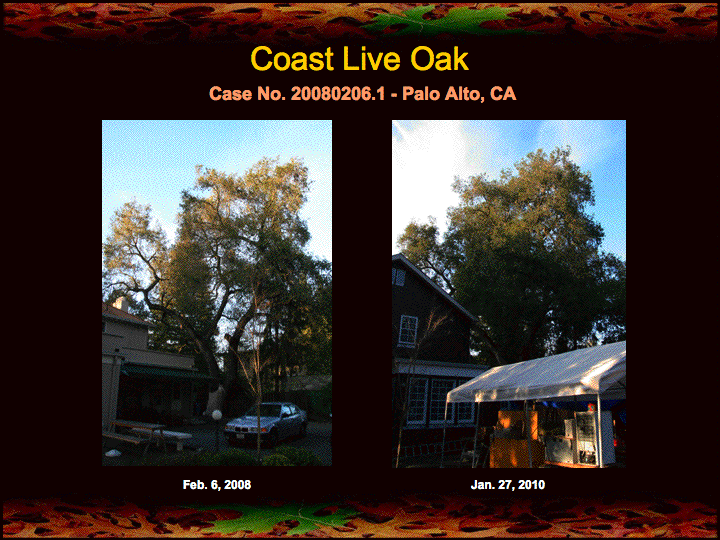
Palo Alto oaks responding to fire mimicry
2 02 2010Last week I checked up on several coast live oaks in Palo Alto that were treated with fire mimicry two years ago. Check out the results below.
Comments : Leave a Comment »
Categories : Case studies, Fire mimicry, Oak health, Sudden Oak Death
Treated vs. untreated oaks
2 02 2010Today I was examining some coast live oaks that were treated last year with fire mimicry in Toro Canyon near Santa Barbara. I came across the example below where there were both treated and untreated oaks growing next to each other. The photo I believe is self-explanatory. As you can see there is no reason why we can’t have healthier oaks here in California.
To see images of the oaks before they were treated check out my earlier post Toro Canyon oaks.
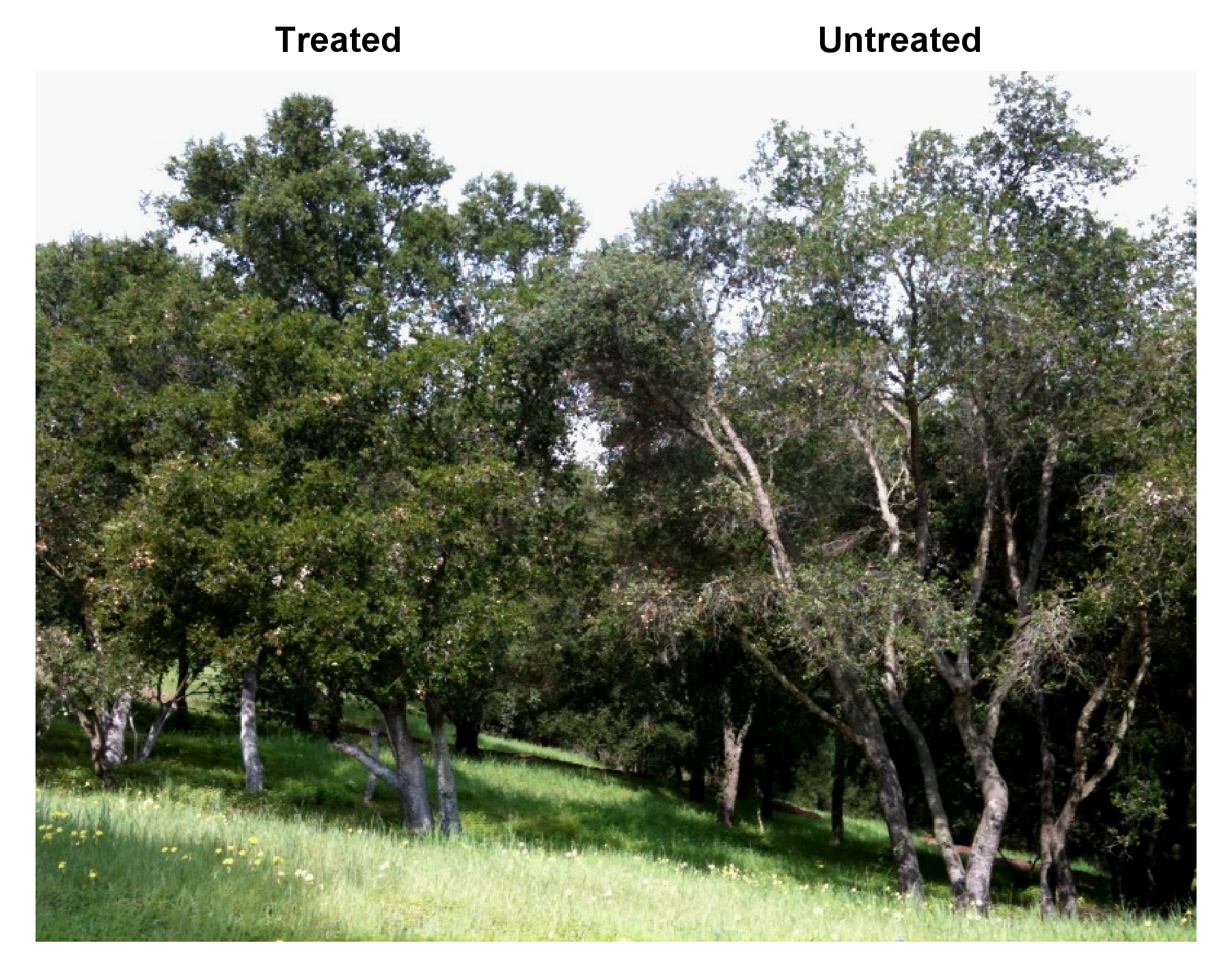
Coast live oaks in Toro Canyon (photo by Lee Klinger)
Comments : Leave a Comment »
Categories : Case studies, Fire mimicry, Oak health, Sudden Oak Death
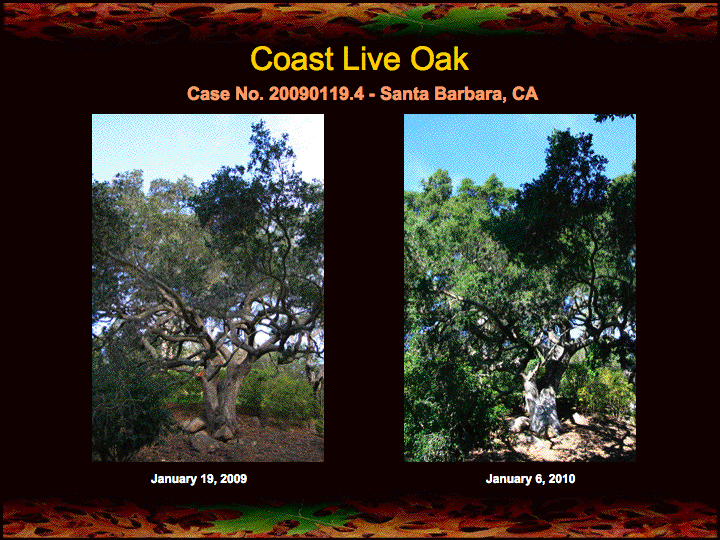
Toro Canyon oaks
7 01 2010These oaks growing in Toro Canyon near Santa Barbara were first treated last year with fire mimicry practices. Check out the results below.
Comments : Leave a Comment »
Categories : Case studies, Fire mimicry, Oak health
 Sudden Oak Life by Lee Klinger
Recent Comments