An integral ecology of Sudden Oak Death

9 04 2010

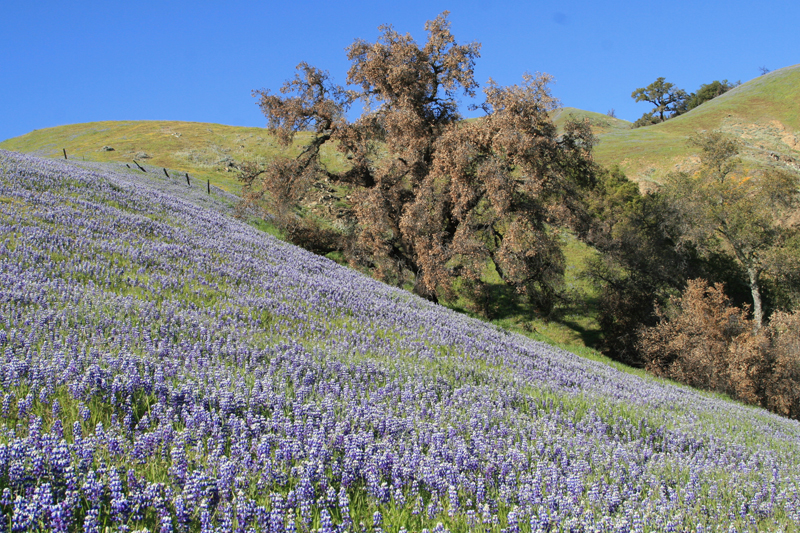
Sudden Oak Death (photo by Lee Klinger)

Dr. Joel Kreisberg has recently published an excellent book entitled “An integral ecology of Sudden Oak Death: multiple perspectives of a forest pathology”.

The summary of the book states:

“The oak woodlands of central and northern California have seen a rapid decline of native oak trees in the last ten years attributed to Sudden Oak Death (SOD). Phytophthora ramorum has been isolated as the forest pathogen focusing the academic and public research agenda. Integral Ecology offers a systematic approach as a means of balancing multiple perspectives. Science is seldom value free and offers more then one conclusion. Alternatively Sudden Oak Death is a response to a larger set of variables including shifting climate, general forest decline and the ongoing impact from human activities. For an integral ecology all parties may be partially correct–the difference is in perspective. The interpretation of Sudden Oak Death as P. ramorum encourages institutions to combat the disease using technology and research as its primary tool. SOD as forest decline offers a choice to either deny our role in these changes or to learn and adapt with it. In this capacity, nature is the teacher and we are the students.”

About the author – Dr. Joel Kreisberg, DC, MA is the Founder and Executive Director of the Teleosis Institute, dedicated to reducing healthcare’s footprint while broadening its ecological vision. Dr. Kreisberg is currently an adjunct professor at the School of Holistic Studies at John F. Kennedy University in Pleasant Hill, CA. http://www.joelkreisberg.com Read the rest of this entry »
Interview with SustainableWorld’s Channel

17 02 2010

SustainableWorld’s Channel did a recent interview with me at La Casa de Maria (Santa Barbara, CA) about oak health, native people, and fire mimicry and has posted a portion of the interview on YouTube. Here is the video:


What is fire mimicry?

8 02 2010

People often ask me why the oaks and other trees in California need to be tended. Oaks have been growing in California for many thousands of years, so why would they need our help now?

The answer is clear. The great oak woodlands and savannas of California are not the result of mother nature doing what she does best. The iconic oaks are largely the product of thousands of years of tending by Native Americans. It is well documented that the native people here managed the oaks with fire, keeping the ecosystem in an early successional state that is optimal for oaks. Acorns from the oaks were a primary food source for the native people of California.

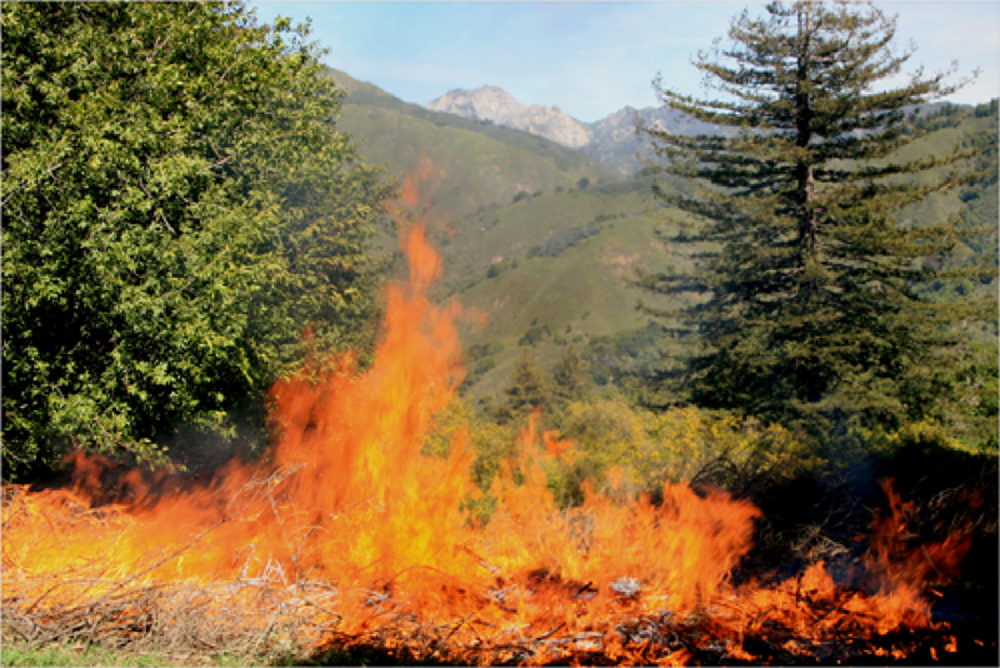
Tending the land with fire in Big Sur (photo by Lee Klinger)

Read the rest of this entry »


Palo Alto oaks responding to fire mimicry

2 02 2010

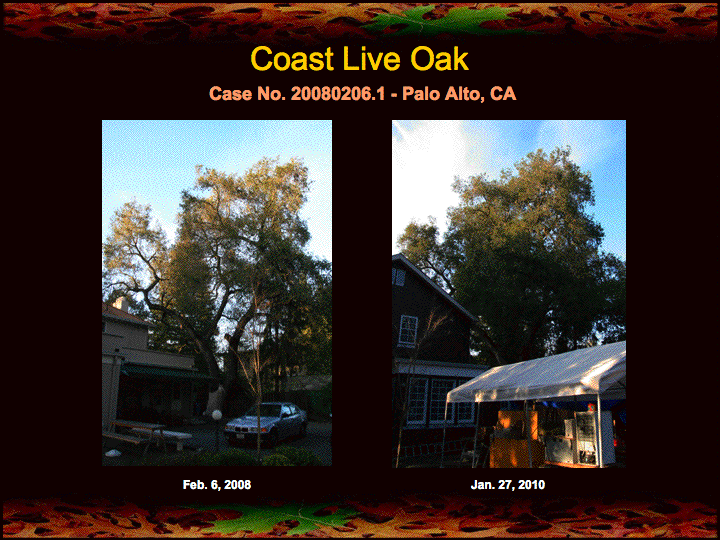
Last week I checked up on several coast live oaks in Palo Alto that were treated with fire mimicry two years ago. Check out the results below.

Read the rest of this entry »


Treated vs. untreated oaks

2 02 2010

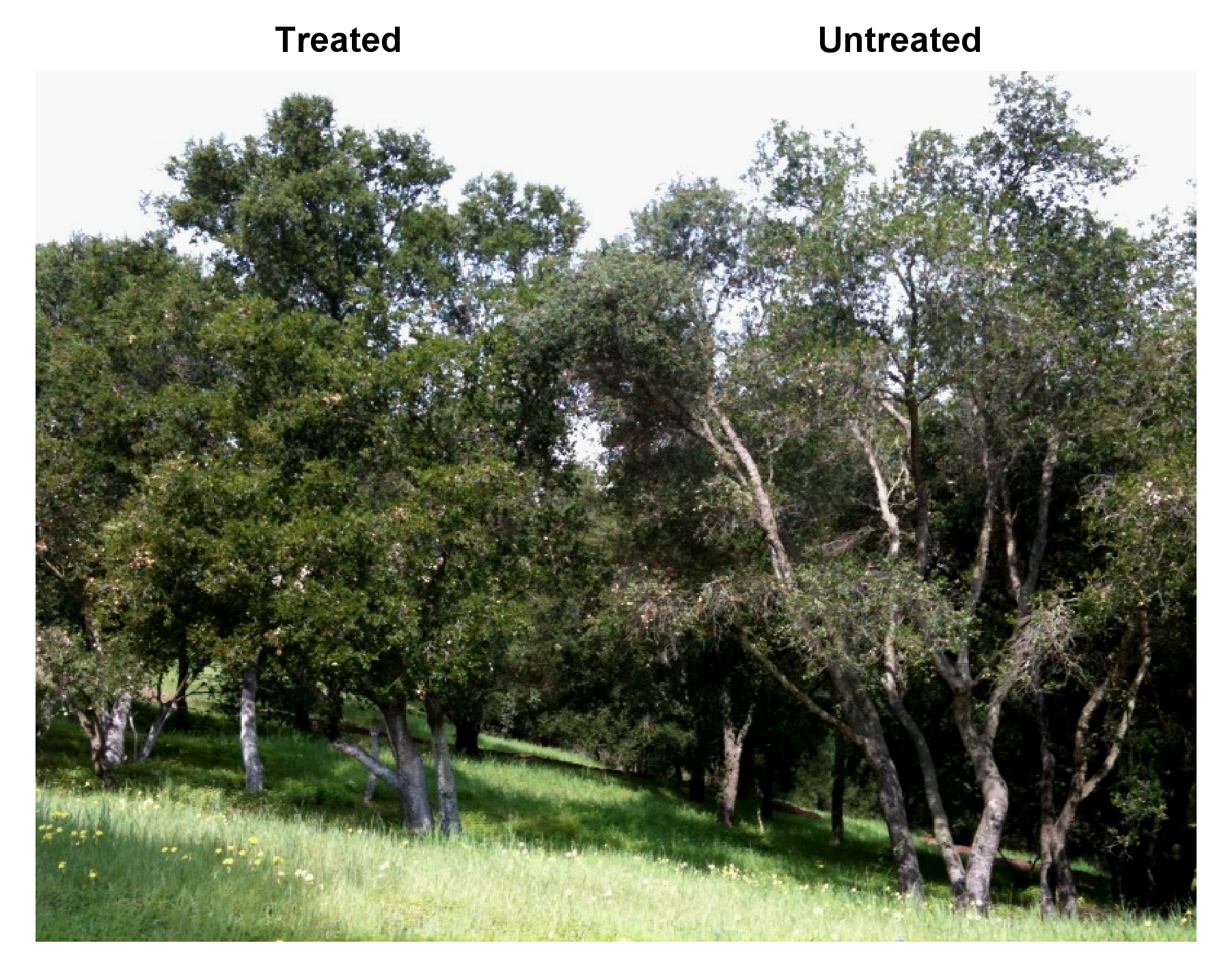
Today I was examining some coast live oaks that were treated last year with fire mimicry in Toro Canyon near Santa Barbara. I came across the example below where there were both treated and untreated oaks growing next to each other. The photo I believe is self-explanatory. As you can see there is no reason why we can’t have healthier oaks here in California.

To see images of the oaks before they were treated check out my earlier post Toro Canyon oaks.

Coast live oaks in Toro Canyon (photo by Lee Klinger)


Hearst Castle 4-year results

4 01 2010

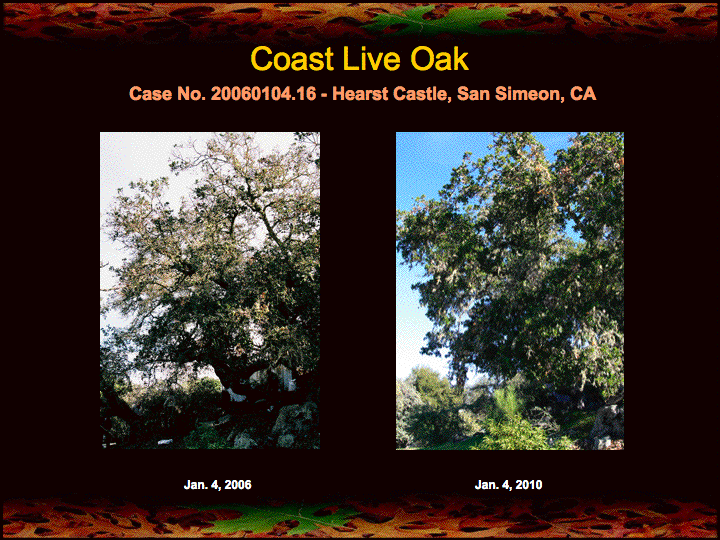
Today I visited Hearst Castle and photographed several coast live oaks that have been under treatment with fire mimicry practices for four years. Some results from last year can be seen here. Below are the photos I took today showing changes in both treated and untreated oaks after four years. Be sure to examine the last two sets of photos which show results from some untreated oaks. Enjoy!

Read the rest of this entry »


A holistic approach to mitigating pathogenic effects on trees

25 12 2009

For those of you who would like to read more about the details of the science and techniques involved in fire mimicry practices for oak restoration, here is a paper I wrote last year:

A holistic approach to mitigating pathogenic effects on trees

by Lee Klinger MA PhD

Presented at: Treework Environmental Practice Seminar XII
National Museum Cardiff, Cardiff, UK – 13th November 2008

Summary

The conventional ‘disease model’ approach to tree health focuses on identifying and controlling a specific pathogen (or pest) implicated as the causal agent of tree decline. Alternatively there are more holistic approaches in tree health that address a broader suite of processes occurring at the ecosystem level which may be predisposing the trees to infection by disease. Here I describe a holistic methodology that takes into account not only the proximal agents involved in tree decline, but also the age and structure of the forest, the abundance of cryptogams, the fire history, the acidity of the precipitation, the fertility of the soil, and the historical land care practices. This methodology is being implemented in the oak forests of coastal California which are experiencing high levels of mortality attributed, by most scientists, to the pathogen Phytophthora ramorum (aka sudden oak death). Evidence reported here of 1) acid rain, 2) acidifying effects of mosses and lichens, 3) the presence of acidic and nutrient deficient soils, and 4) a much lowered incidence of disease in recently burned areas, points to the likelihood that fire suppression has radically altered the structure and successional status of the forests, leading to enhanced competition and systemic acidification. Case study results of sick and diseased coast live oaks receiving holistic care, aimed not at treating P. ramorum but at reducing the environmental acidity, fertilizing the soils, and otherwise mimicking the effects of fire, show noticeable improvement in the health of the oaks after one year (78%, n=152), with further improvement in years two (84%, n=134) and three+ (81%, n=80). While the results do not indicate that the incidence of P. ramorum has changed significantly in the population of treated oaks, there is evidence that the sick, non-diseased trees are better able to resist infection.

Download the complete paper here.


Five-year progress report on coast live oaks

16 11 2009

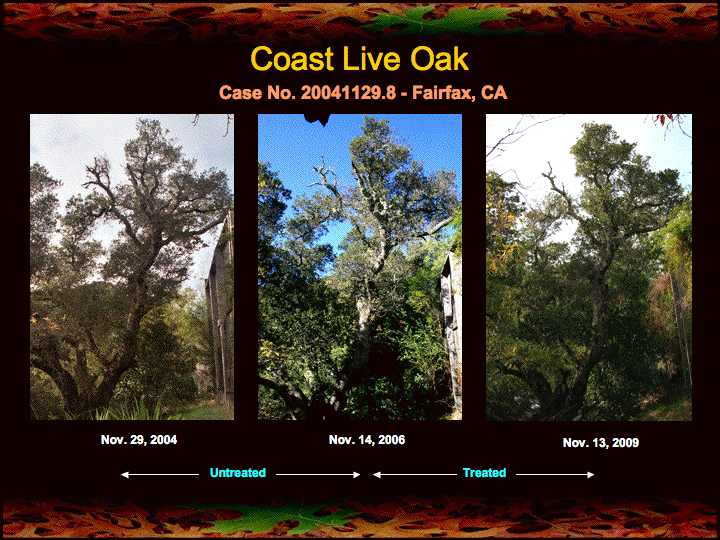
I have been reporting for some time on the progress of seven ill coast live oaks in Fairfax, CA first treated with fire mimicry in November of 2004 (see here, here, and here). These oaks have been under the care of my friend and colleague Leith Carstarphen of Ecologic Landscaping. Alan Mart has also contributed his time and expertise in caring for these oaks.

After five years two of the oaks have succumb to sudden oak death, though not without a period of improved canopy health before their demise (see Sudden oak death). Today I would like to present repeat photographs of the five remaining oaks taken just a few days ago. I am pleased with the results. Readers can judge for themselves. (Please excuse my ill-fated attempt in some of the photos to match exposure levels).

There is one particular oak, case study no. 20041129.8, which tells an interesting story. I first chose this oak as a control tree since it was not initially treated. For two years the health of this untreated oak showed little if any change, as can be seen in the photographs below. Then as is so often the case the owner decided to treat all of the oaks, including this one, and after three years the oak is now showing modest improvement with fire mimicry.

Another important point – while the originally diseased oaks remain infected with sudden oak death, the non-diseased oaks remain uninfected. This is consistent with many other case studies showing that fire mimicry treatments may be particularly effective at stopping the spread of sudden oak death. Read the rest of this entry »


Encino heritage oak

3 11 2009

I’ve often said that every tree tells a story. Well, there’s a heritage oak in Encino, California that has a story to tell.

As most of you may know the live oaks and tan oaks of California are dying off in large numbers as a result of stresses brought about by decades of fire suppression. Oaks are fire-adapted trees, meaning they benefit from periodic fires. The lack of fire has weakened the oaks and created conditions that encourage the spread of diseases such as sudden oak death.

The live oaks and tan oaks, however, are not the only species of oaks that are suffering. Valley oaks (Quercus lobata), blue oaks (Q. douglasii), Oregon white oak (Q. garryana), and other species in the white oak subgroup are, in places, experiencing heavy die-off, yet are showing no signs of sudden oak death or bark beetle infestation. As it turns out the white oaks, too, are suffering from the effects of fire suppression. The good news is that these oaks, like the live oaks and tan oaks, are showing positive responses to fire mimicry treatments.

One of the largest oaks in Encino, California is situated next to the home of Robert and Lelia Maltzman. This heritage valley oak is estimated to be about 500 years old. In 2006 I examined the oak and found the soils to be somewhat acidic and the canopy of the tree was rather thin. Fire mimicry treatments involving healthy doses of calcium-rich AZOMITE minerals were then implemented and, three years later, the oak is showing some nice improvement in canopy health.

Encino Sun photo

Below are photos of the Encino heritage oak showing the changes in canopy health three years post-treatment. Note the removal of one large limb for stress reduction. I was not involved in this limb removal and may have done it differently from an aesthetic perspective. But the arborist certainly had his reasons and after three years the tree seems to be faring well.

20060816.1a

Encino heritage oak before and after fire mimicry treatments

Here is an article describing this heritage oak that appeared in the Encino Sun in 2007. Read the rest of this entry »


Ecological research backs fire mimicry approach

31 10 2009

Science Daily is reporting on a new study that documents the importance of fire feedbacks in maintaining savanna woodlands. Fire feedbacks are the ecological basis for employing fire mimicry to restore the oak savannas here in California. While I don’t have much faith in the mathematical models that these scientists are using, it is interesting that they have come to the same conclusion I have reached based on my own, and others’, empirical studies.

From Science Daily (Oct. 29, 2009):

Trees Facilitate Wildfires As A Way To Protect Their Habitat

Fire is often thought of something that trees should be protected from, but a new study suggests that some trees may themselves contribute to the likelihood of wildfires in order to promote their own abundance at the expense of their competitors. Read the rest of this entry »